Sun Link’s First Ever Streetcar Operator Enjoys Career Success as Operations Manager

Nelson Hall
Sun Link Operations Manager

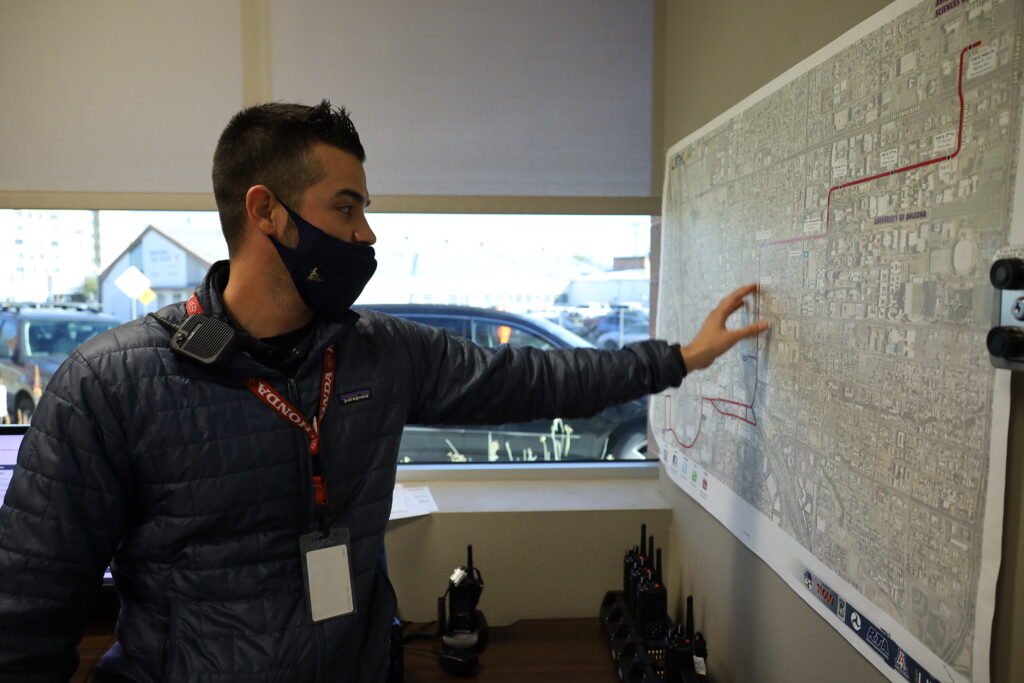
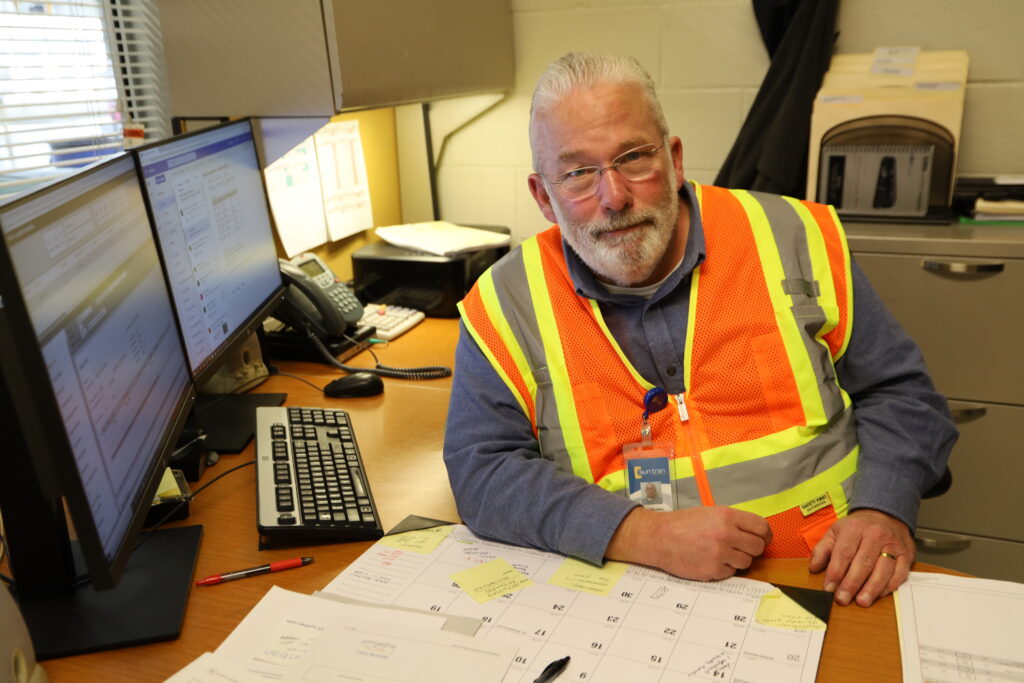
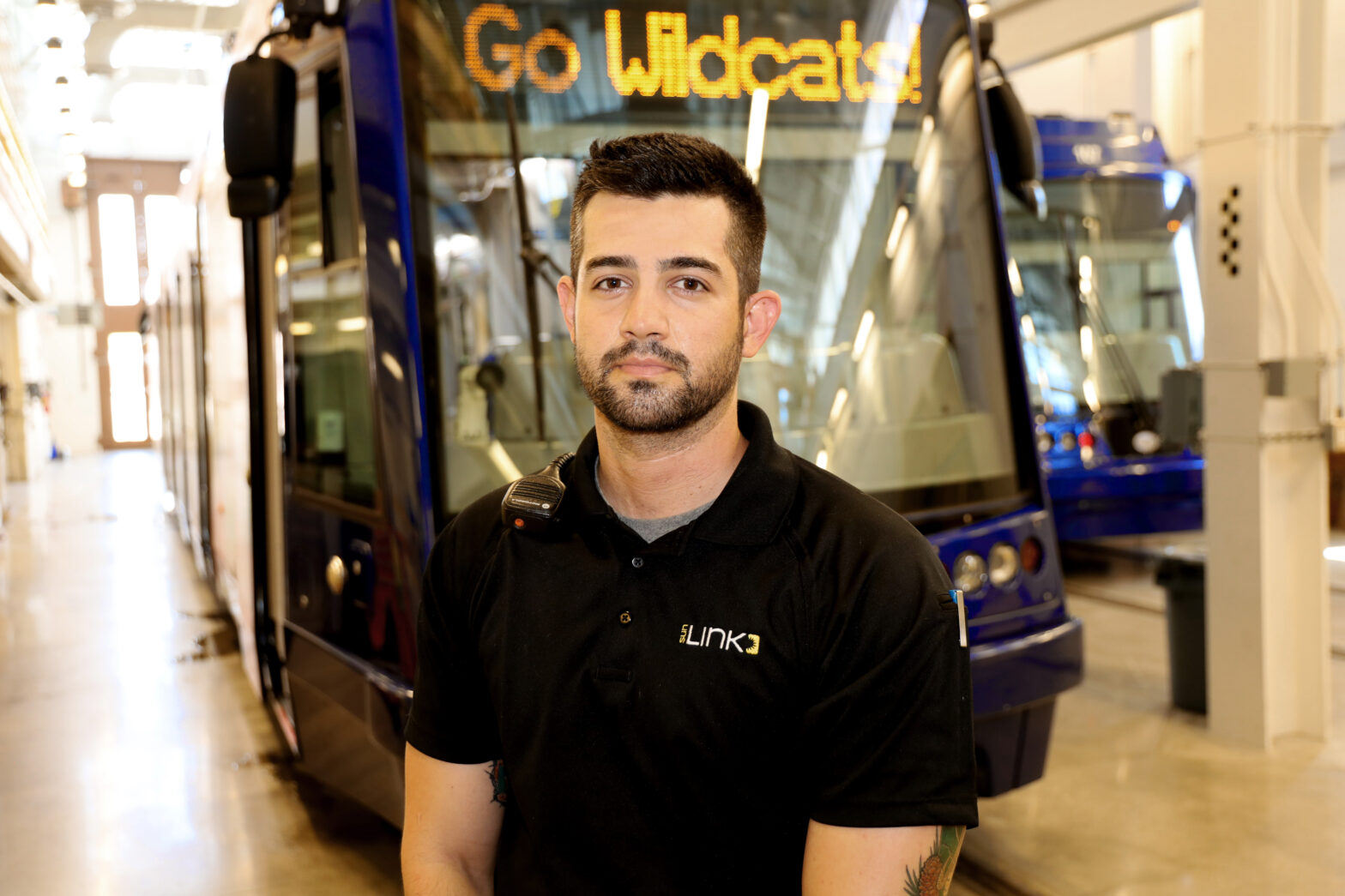
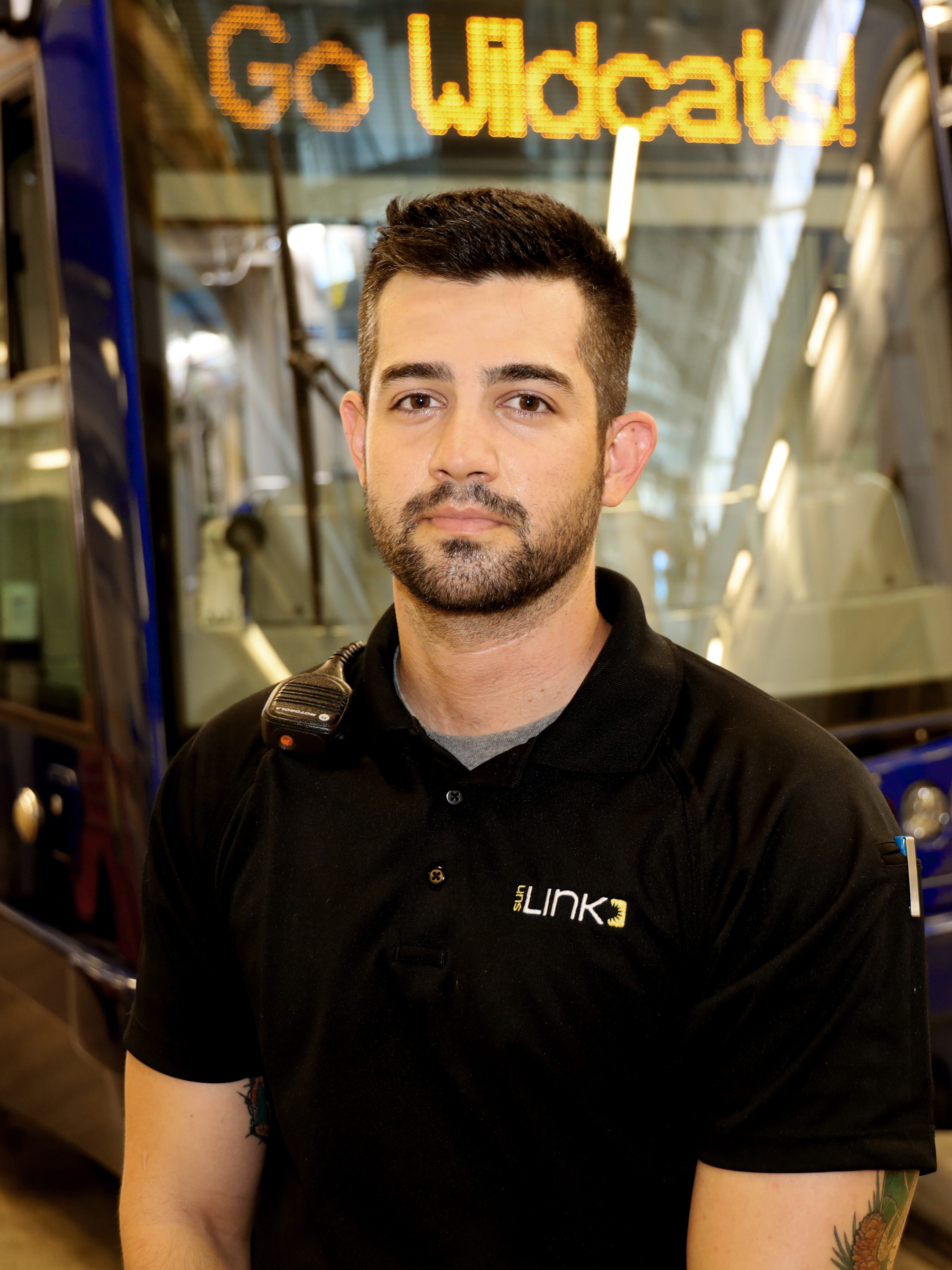
This month marks one year since Nelson Hall was named Operations Manager at Sun Link. He has been with the streetcar system since August 2013 and was the first streetcar operator hired in Sun Link history.

“I got hired on as a testing streetcar operator,” said Hall, who transferred his transit skills from a year at Sun Tran over to Sun Link.

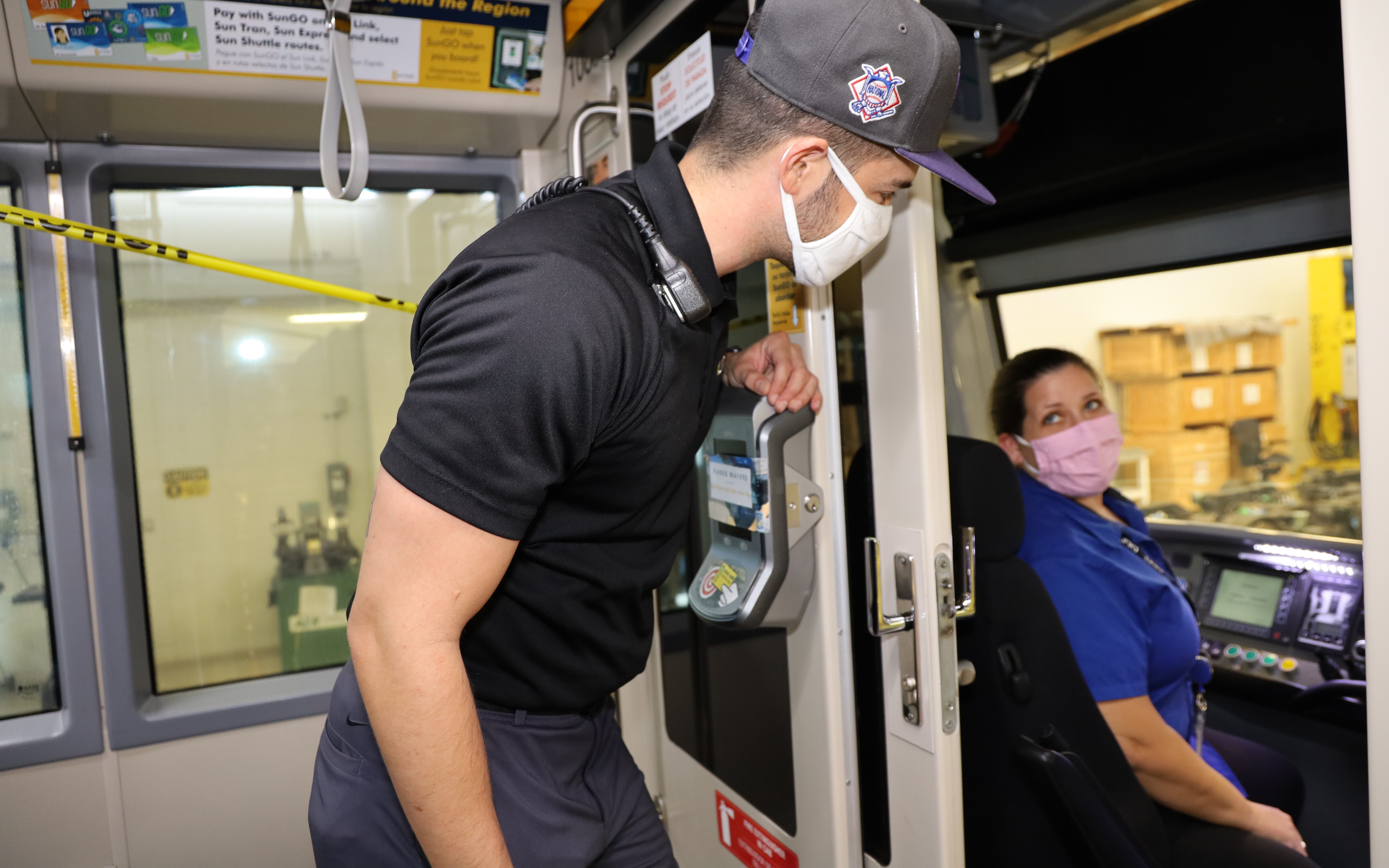
The testing process included running empty streetcars along the 3.9-mile route before Sun Link officially welcomed passengers in the summer of 2014. A few months into the job, Hall promoted to Rail Supervisor. In January 2021, he moved to Lead Rail Supervisor and eleven months later became Operations Manager.

“The main goal of my position is to make sure that Sun Link provides reliable and convenient transportation to the public,” said Hall. “We need to evolve with the times and always be moving forward.”

He explains that as the community expands, the University of Arizona welcomes more students and area events grow, rider needs change. At the center of it all, Sun Link is constantly reevaluating service.

“I think you should change based on the needs of the public,” said Hall. “It is important to be dynamic, to try new things and innovative. You have to keep up with technology and accept that things are always evolving.”

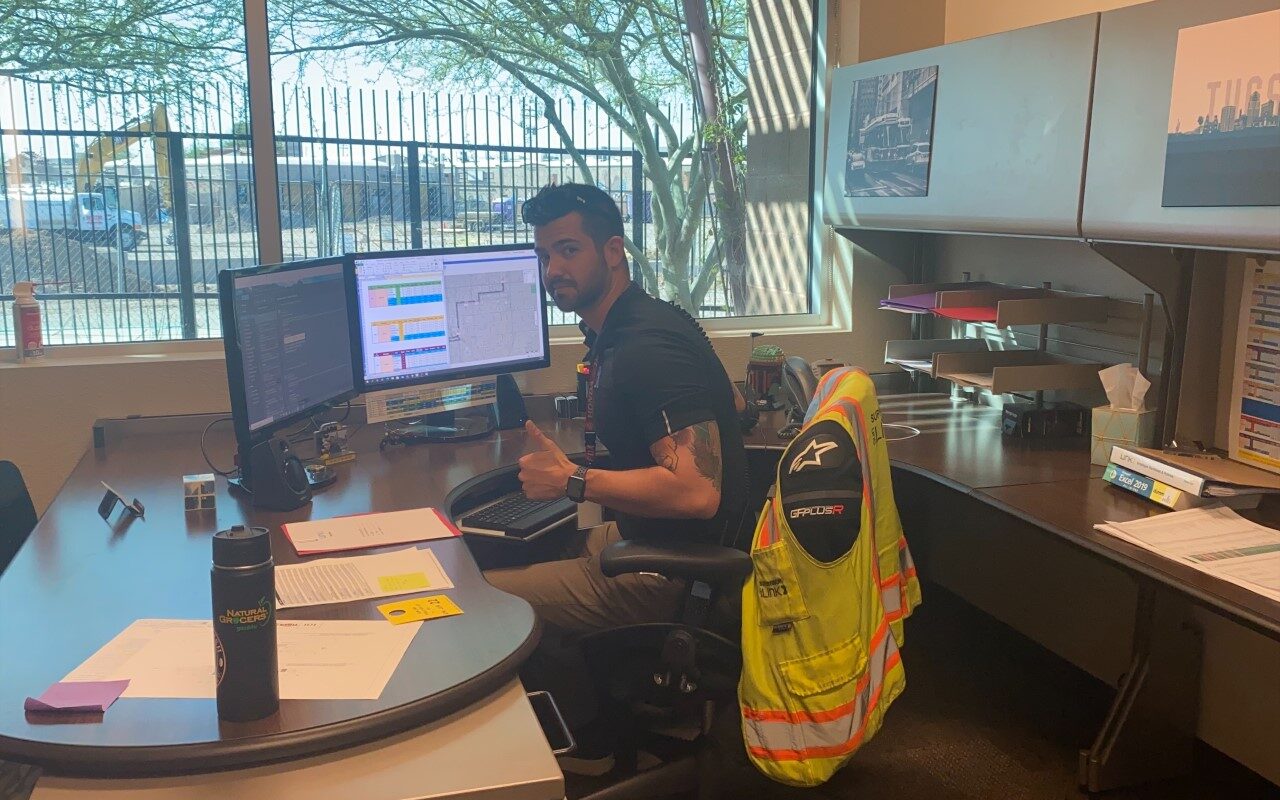
Hall’s daily routine includes clocking in at 6:30 a.m. During the early hours, you will find him in his office pouring over reports, logs and data sheets. He wraps up projects and works ahead where he can. About 10 a.m., Hall mentally prepares to catch whatever the day throws out.

“There is so much activity out along the streetcar route. You have to be comfortable being uncomfortable constantly.”

Along with adapting to the day’s demands, Hall strives to keep all of his skills sharp. He keeps an ear to the radio and works in the field as needed. Some of the big projects he is working on back at the office include pitching solutions to resolve pain points along the streetcar route, and evaluating and implementing software to allow for system management on the go.

“The software would allow supervisors to manage the system in the staff car in the field, rather than always being tied to the OCC,” explained Hall. “That will allow them to be more responsive to anything they need to take care of out there.”

While laying out what it will take to be a successful Operations Manager, Hall says he draws from his predecessors Cleve and Eric.

“I learned so much from them. There’s a lot of times I think, what would Cleve do.”

The outstanding support and strong examples from current leadership are also guiding lights for Hall.

“John Kortekaas is one of the best bosses I’ve ever had. He is a repository of information to draw from and his levelheadedness has taught me how to handle tough situations. Ryan, he’s basically a genius. He can juggle so much and he’s so fast at everything. Bob is very motivated and works hard. He just keeps at it until the job gets done.”

Recognizing the supervisors and operators as the backbone of Sun Link’s success, Hall says he is grateful for the skill and dedication the team brings to work.
“The frontline employees, you’ve got to give them a lot of respect.”

Proud of the tight-knit team at Sun Link, Hall says his ultimate goal is to ensure the streetcar’s service, inner-workings and legacy remain spotless for years to come.

“I have a lot of learning to do, lots more work. As long as this place continues to be a positive and great place to work at, then I feel like that is success on its own,” said Hall. “I am committed to completing projects on time and showing results. I want to show that if there is a problem, Nelson will fix it.”
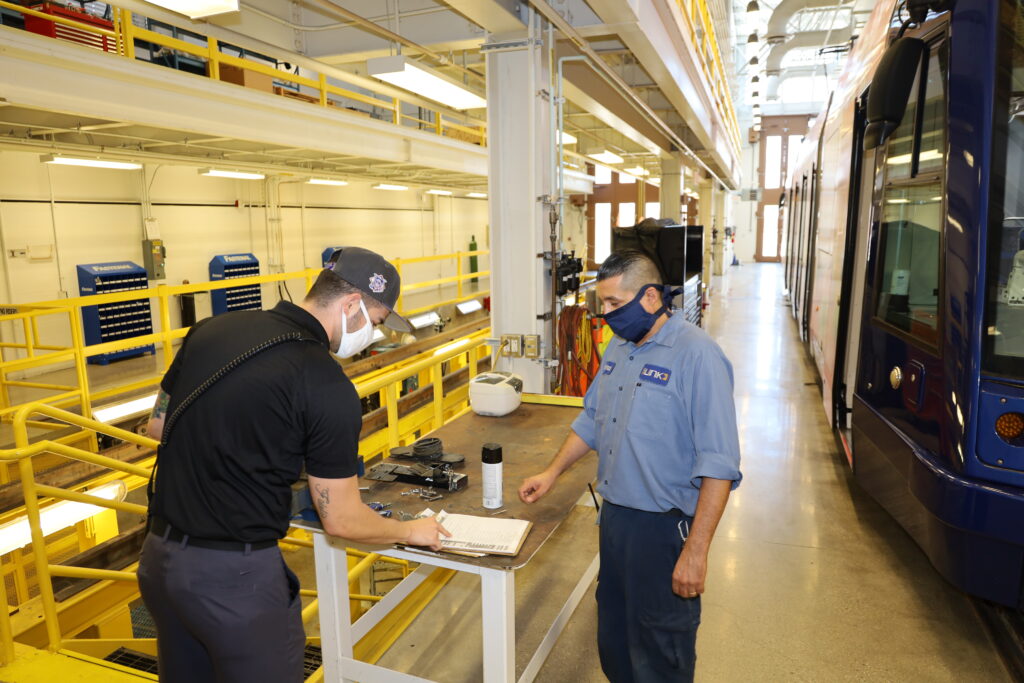
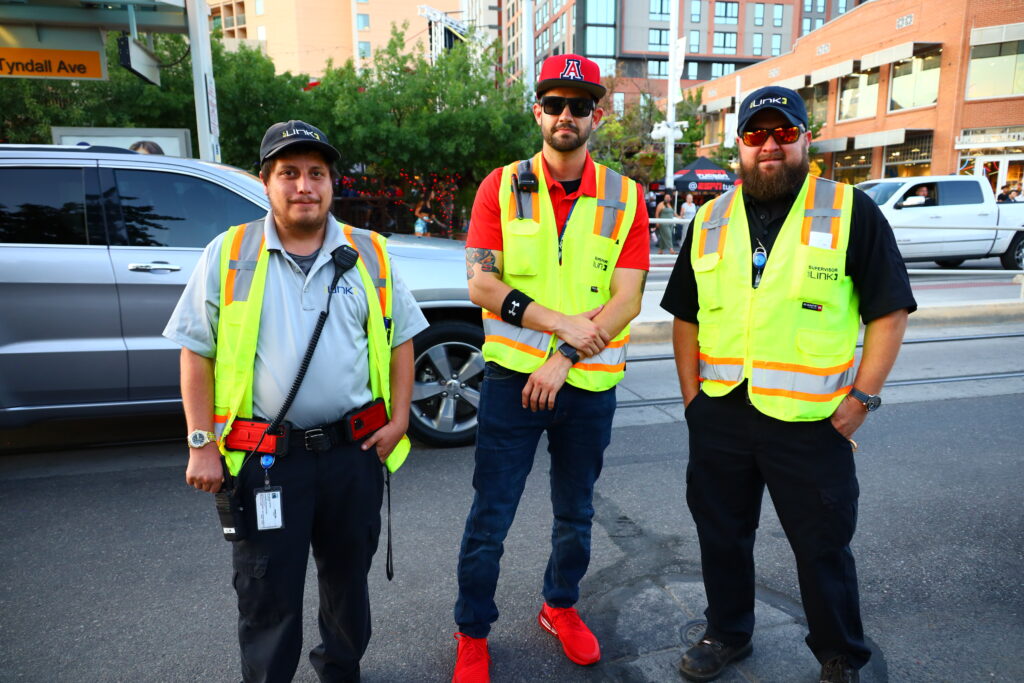
Mayra Ramirez: the powerhouse behind Sun Tran’s CDL training program

Mayra Ramirez
Sun Tran Training Supervisor

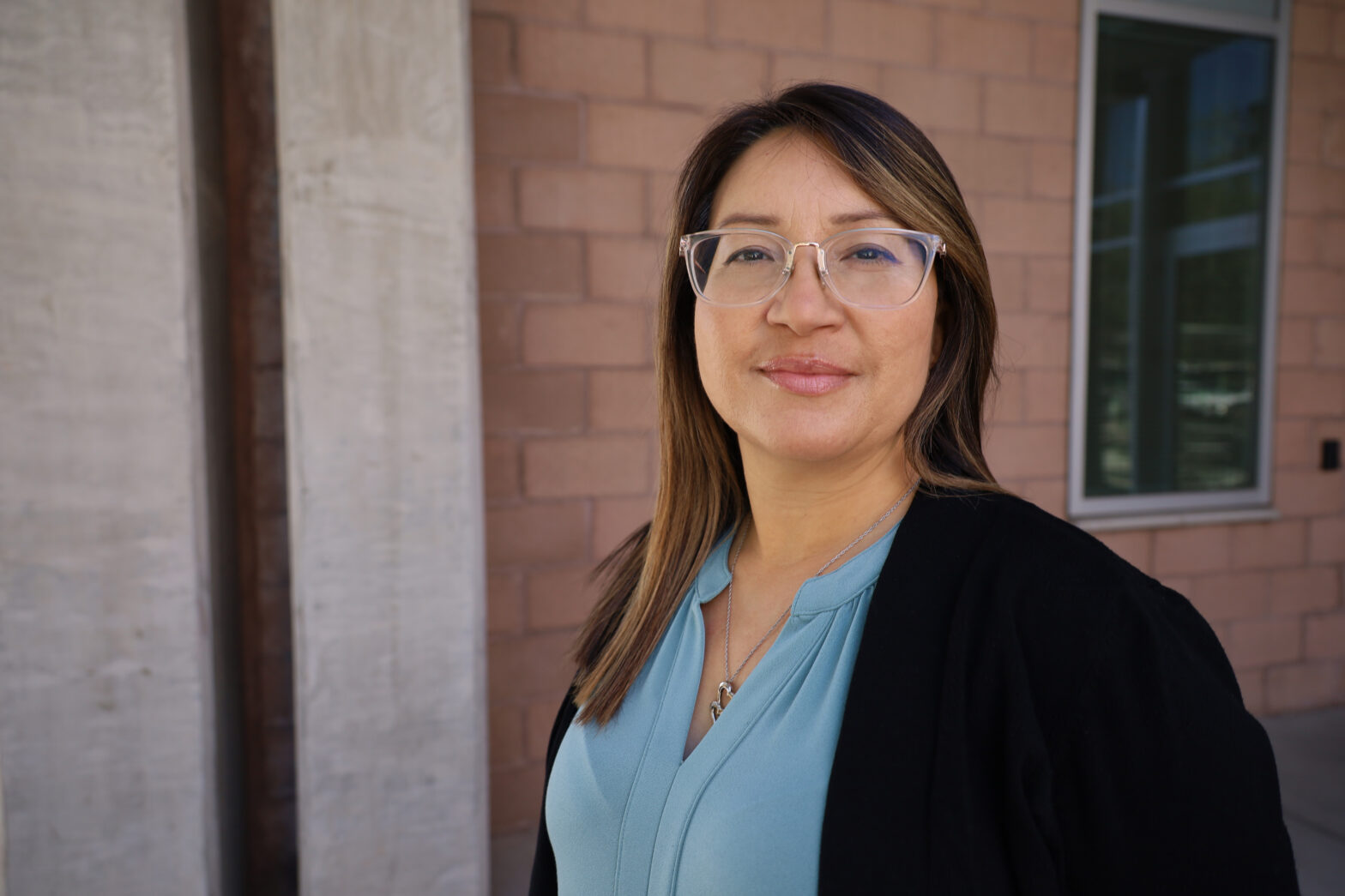
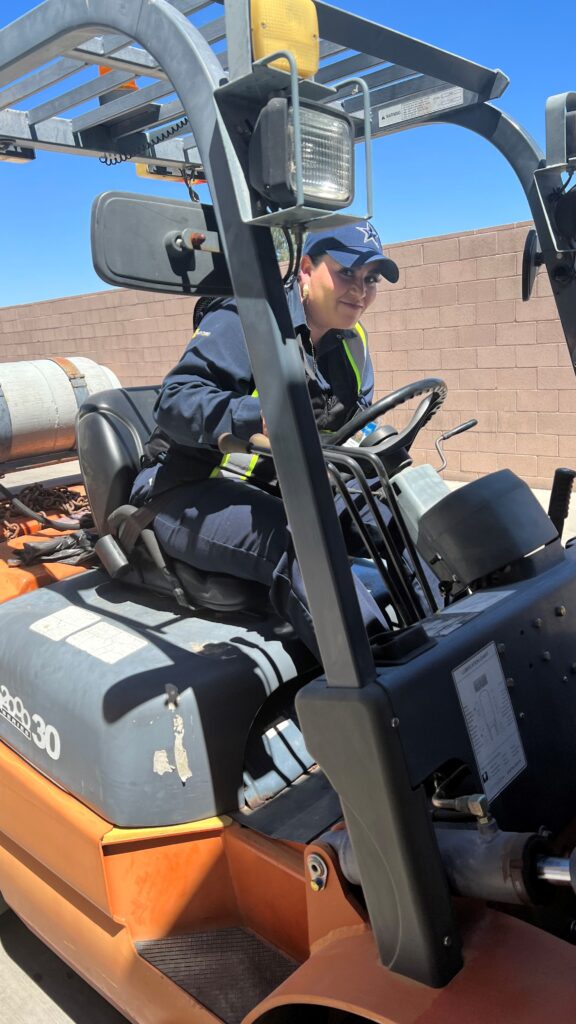
With more than 150 buses on the road every weekday in Tucson, Sun Tran employs close to 400 drivers. In fiscal year 2021, Sun Tran hired 90 new coach operators, half of which received commercial driver license (CDL) training on site. Mayra Ramirez is the Sun Tran Training Supervisor and a key reason those drivers received their CDL. She not only works with hires who need a passenger designation for their CDL, but she is also there when new drivers start up a 40-foot bus for the first time. 

“It’s usually the first time they’ve ever been in a bus seat,” said Ramirez. 

For that trainee, the simple action of starting the engine signals the start of their journey with Sun Tran. When Ramirez is not preparing new hires for their CDL tests, she is leading retraining sessions for drivers, mechanics, fuel island attendants and other staff.  

“Whenever they’ve had injuries on the job, accidents, or if their action has caused a passenger to be injured, then I will retrain,” said Ramirez. “I tell them, ‘I’m not here to scold you or discipline you, I’m here to help you. I want to give you tools to succeed.’” 

Ramirez started as the Training Supervisor a matter of weeks before the pandemic changed the world. 

“I was learning this new position, trying to make it my own and finding ways to put my touches on it,” said Ramirez. “Then all of a sudden, I was limited. I had to try to train and retrain people, but with no contact.” 

She found a way. Training and retraining carried on, they just looked a little different. As Ramirez settled into a new normal of masks and distancing, she also had to adjust to an increase in new hires. One change the training department has made to accommodate the influx of hires is to stagger training classes. 

“We’ve had as many as four training classes going on at one time,” said Ramirez. “They are all in different sections of the training.” 

Training classes last an average of five weeks. Dan Snell leads training lectures for all employees, Ramirez takes care of CDL needs, then drivers work with established coach operators for behind-the-wheel training. Lastly, new hires get real-world experience with route training. 

“They get to really see what the aspects of the job are when they are out with drivers, learning what could be their future route.” 

The last two years have included plenty of curveballs but Ramirez keeps swinging. She credits her past work experience for her success in overcoming challenges during the pandemic. 

Joining the Sun Tran team in 1996, she started as a customer service representative. Six years later, she became an administrative assistant in the Operations Department. In 2007, she transitioned to being a road supervisor & dispatcher.  

“I liked challenging myself to try something different,” said Ramirez. “It really helps to have a diverse set of skills and be able to step in when needed. It’s not just to help out my fellow coworker, but I get a satisfaction out of it, too.” 

There are plenty of opportunities for Ramirez to use those skills. Looking forward, she anticipates incorporating even more proactive approaches for preventing incidents, accidents and injuries. She knows new methods, technology and techniques will continue to evolve, making the transit industry even safer and more efficient. 

“My goal is keeping everyone safe, whether it’s the employees or the public. I’m helping to minimize and ideally, completely eliminate any future incidents or accidents.” 

Mayra as a customer service representative in 2000.

Mayra Ramirez has three children, aged 25, 20 and 9. Her favorite thing to do is spend time with family. She enjoys being an active member of the Tucson community and participating in events throughout the city.  

Sun Tran Using Clean Fuel Technology to Promote Climate Resilience in Tucson

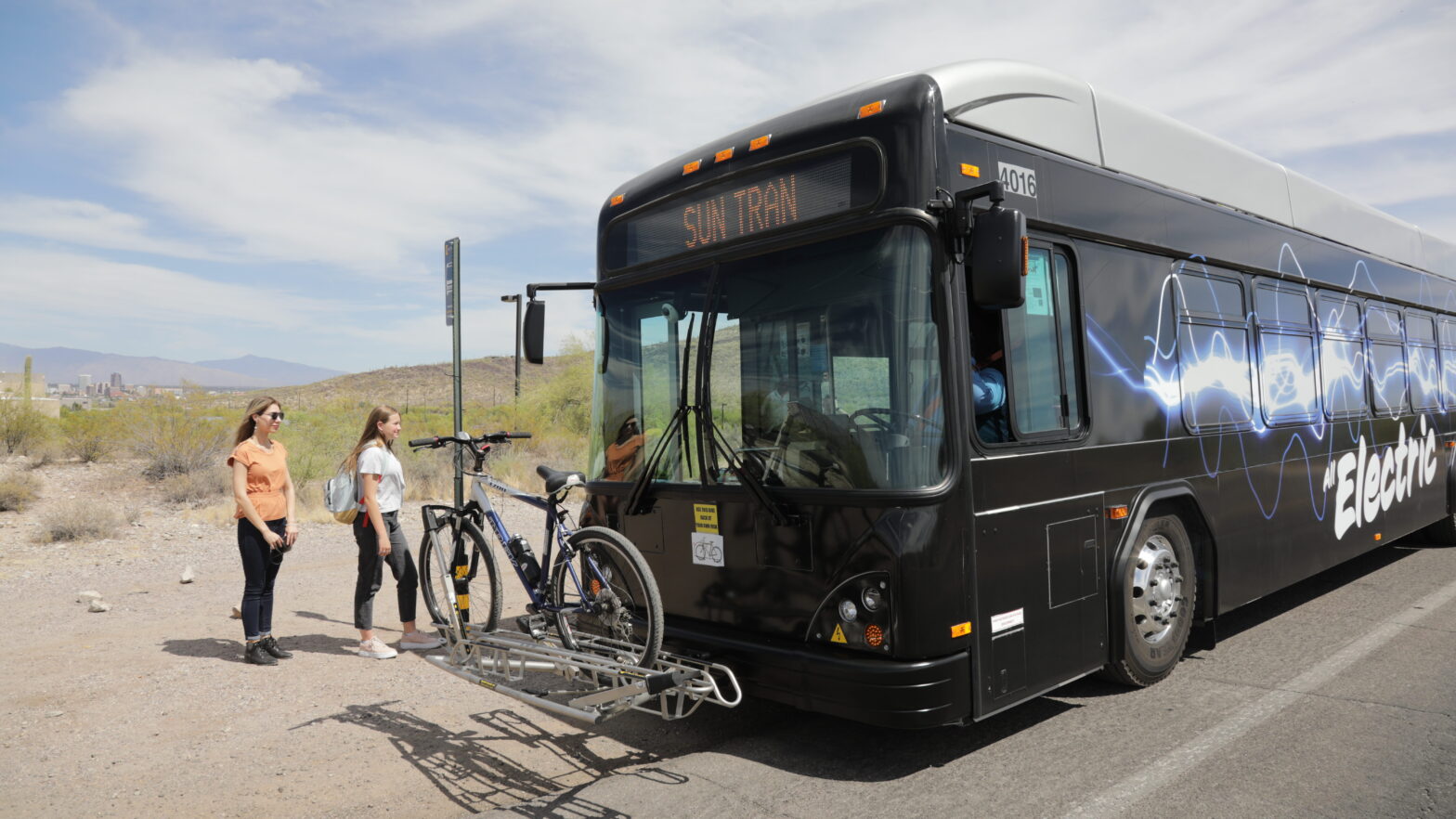
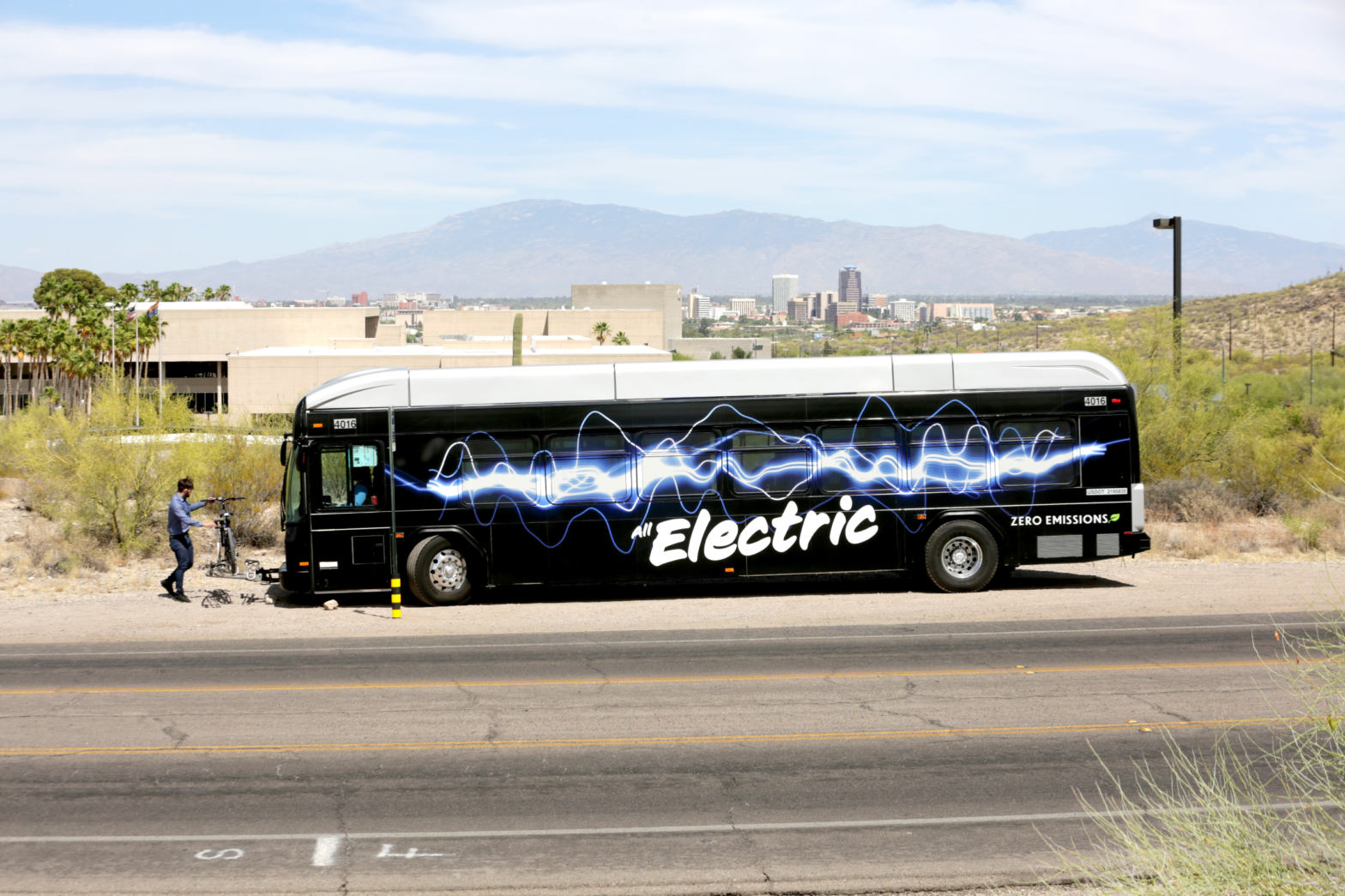
Electric Bus decorative photo

Sun Tran, which provides public transportation in Tucson via bus, the Sun Link streetcar and Sun Van, has set purposeful goals to contribute to a cleaner, healthier community. To reach the goals of reducing emissions and improving air quality throughout Tucson, the transit system has undertaken a number of sustainability initiatives such as using alternative fuel vehicles and retrofitting facilities. Each month, the transit system provides approximately 1.2 million rides via bus, the streetcar and paratransit services.

“Public transportation provides a valuable opportunity to help diminish climate change within the Tucson community,” said Sun Tran General Manager, Steve Spade.

One of the targeted approaches Sun Tran takes to improve climate resiliency is by reducing harmful emissions. Sun Tran and the City of Tucson began experimenting with alternative fuels more than two decades ago. As early as 1987, Sun Tran converted a bus to use both compressed natural gas (CNG) and diesel fuel. This was one of the first such buses in the country. Since 2006, 100 percent of Sun Tran’s fleet has utilized clean fuel technology.

Sun Tran Bus Fleet:

57% Compressed Natural Gas (CNG)

27% B5 Biodiesel/Urea

8% B5 Biodiesel

5% Hybrid

3% Electric

Currently, more than half of Sun Tran’s active fleet is powered with CNG. This is the same fuel used by many furnaces, stoves and water heaters. CNG buses lower air pollution by emitting 90 percent less carbon monoxide, 90 percent less hydrocarbons and 50 percent less nitrogen oxides than diesel-fueled buses. This fuel source also offers significant cost savings over diesel.

The next-largest fuel source for the bus fleet is B5 bio-diesel. Bio-diesel is a domestically produced, renewable fuel that can be manufactured from vegetable oils, animal fats, or recycled restaurant greases. These buses help preserve Tucson’s air quality, as bio-diesel emits significantly fewer particulates than traditional diesel-fueled vehicles. The majority of Sun Tran’s bio-diesel buses are also equipped with technology that utilizes a urea solution injected into the exhaust gases to meet tighter Environmental Protection Agency emissions standards. This section of the fleet will continue to shrink as Sun Tran buys new vehicles.

“Sun Tran is committed to building a sustainable fleet that contributes to a cleaner environment,” said Spade. “Currently, Sun Tran purchases both CNG and battery electric buses. Based on the current fleet carbon neutral plan, all-diesel buses will be replaced with either CNG or electric by 2028.”

Sun Tran also currently uses hybrid electric technology in 5 percent of the active fleet. These buses utilize a 600-volt battery pack, which is recharged while the bus is coasting and braking.  Hybrid buses offer low emissions and can achieve up to 60 percent better fuel efficiency when compared to a bus with a conventional diesel engine.

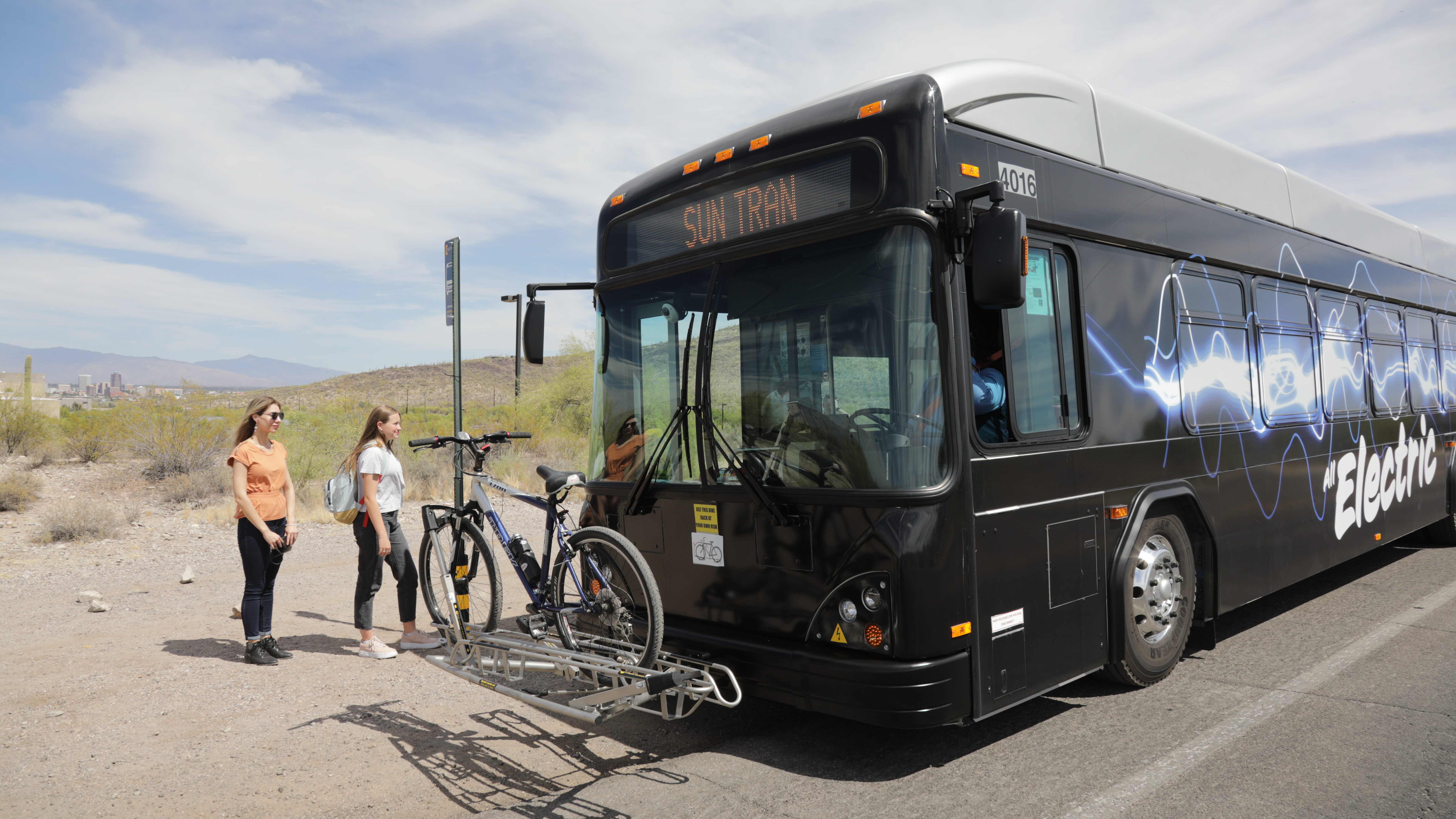
The newest clean fuel source for the bus fleet is electricity. Sun Tran made history in 2021 by being the first transit system in Arizona to launch fully-electric buses. Five electric buses are in service now and five more will join Sun Tran’s active fleet this fall. New funding from the Federal Transit Administration is allowing the electric fleet to continue to grow.

“This grant will make history by allowing Sun Van to launch its first set of electric vehicles,” said Spade. “It also doubles Sun Tran’s electric fleet and makes new Sun Shuttle service options possible.”

The battery-electric buses manufactured by GILLIG, LLC emit zero emissions. Research indicates that an electric transit bus can save an average of one-half barrel of diesel every day.

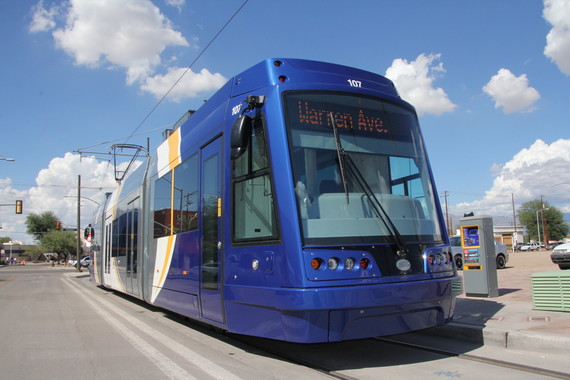
In addition to buses, the Sun Link streetcar is another public transportation mode fully powered by electricity. With peak ridership nearing 150,000 per month, the streetcar is able to provide all of those rides without producing any harmful emissions.

Sun Link

Transit facilities throughout Tucson provide another opportunity to go green. Sun Tran, Sun Van and Sun Link installed solar panels at their facilities to harness the power of the sun and generate clean energy. Sun Van has also implemented xeriscaping at the paratransit facility to help conserve water. Meanwhile, solar panels installed at dozens of bus shelters in 2018 power light panels at the stops.

These efforts help the transit system save money and resources, while also reducing its impact on the environment. Sun Tran is committed to continually improving sustainability efforts in order to provide safe, reliable, and affordable transportation for the Tucson community now and in the future.

You can help Sun Tran and the environment by doing your part:

  • Ride one of the 185 Sun Tran buses or 8 streetcars instead of driving. Every passenger counts!
  • Be prepared to board the bus or streetcar so that the driver does not have to idle while waiting for you.
  • If possible, use a Park & Ride location. This helps reduce traffic and pollution in our city center.

Read the City of Tucson’s Climate Action Report here:

Picture Rocks Residents to get Their First Taste of Public Transportation

The new Sun Shuttle pilot program with service to Picture Rocks launches Tuesday, October 25. Check the route and schedule by clicking the blue link above.

There are three ways to plan your trip:

1. Visit Us Online!

Log on for schedules, fare information to learn how to ride.

2. Call Us!

Contact our Customer Satisfaction Center for help planning your trip, or to ask about route information.

(520) 792-9222 | TDD: (520) 628-1565

3. Download the app! 

Use the free TripShot app to track your shuttle.


Sun Shuttle is expanding its services and will soon provide public transportation to the Picture Rocks area for the first time. A one-year pilot program will launch October 24. Transit planners are working out the schedule and frequency of the new service and need help from the community. The public is encouraged to attend an input meeting on Monday to weigh in.

Input Meeting
Monday, September 19
1 p.m. – 2 p.m.
Picture Rocks Community Center
5615 N Sanders Road
(Near the Park)

Sun Shuttle is a neighborhood transit service funded by the Regional Transportation Authority (RTA) through its voter-approved 20-year regional transportation plan and sales tax through June 2026.

“The Regional Transportation Authority has listened to residents of Picture Rocks and their call for public transportation,” said RTA Executive Director Farhad Moghimi. “We are interested in working with the community through this pilot project to test the interest in using Sun Shuttle. We encourage residents to provide their input at the upcoming meeting to be part of the process to deliver the best possible service to the community.”

Census data estimates at least 14% of the Picture Rocks population has unmet transportation needs. Community members have spoken up about the importance of public transportation to provide access to social services, medical services, and as a way for residents without a vehicle to reach employment opportunities. The new Sun Shuttle pilot program will meet many of these needs with service to destinations such as the park-and-ride at the local Dollar General, Safeway, the Tucson Premium Outlets and connection points to additional transit routes.

“This pilot program is part of our ongoing commitment to providing quality transit service throughout southern Arizona,” Moghimi said. “The shuttle service will be open to anyone, and will be a great time to try this neighborhood transit option.”

Program managers will use the pilot program to assess the success of the service and evaluate how to best serve the area after the initial 12-month pilot. Transit fares for the service will remain free through December 31, 2022.

Residentes de Picture Rocks prueban por primera vez el transporte público

Sun Shuttle está ampliando sus servicios y pronto brindará transporte público al área de Picture Rocks por primera vez. El 24 de octubre se lanzará un programa piloto de un año. Los planificadores de tránsito están determinando el horario y la frecuencia del nuevo servicio y necesitan la ayuda de la comunidad. Se alienta al público a asistir a una reunión de aportes el lunes para opinar.

Reunión de entrada
lunes, 19 de septiembre
13:00 – 14:00
Centro Comunitario Picture Rocks
5615 N Sanders Road
(Cerca del parque)

Sun Shuttle es un servicio de tránsito vecinal financiado por la Autoridad de Transporte Regional (RTA) a través de su plan de transporte regional de 20 años aprobado por los votantes e impuestos sobre las ventas hasta junio de 2026.

“La Autoridad de Transporte Regional ha escuchado a los residentes de Picture Rocks y su pedido de transporte público”, dijo el director ejecutivo de RTA, Farhad Moghimi. “Estamos interesados ​​en trabajar con la comunidad a través de este proyecto piloto para probar el interés en usar Sun Shuttle. Alentamos a los residentes a que brinden su opinión en la próxima reunión para ser parte del proceso para brindar el mejor servicio posible a la comunidad”.

Los datos del censo estiman que al menos el 14% de la población de Picture Rocks tiene necesidades de transporte insatisfechas. Los miembros de la comunidad han hablado sobre la importancia del transporte público para brindar acceso a servicios sociales, servicios médicos y como una forma para que los residentes sin un vehículo lleguen a oportunidades de empleo. El nuevo programa piloto de Sun Shuttle satisfará muchas de estas necesidades con servicios a destinos como el estacionamiento y viaje en el Dollar General local, Safeway, Tucson Premium Outlets y puntos de conexión a rutas de tránsito adicionales.

“Este programa piloto es parte de nuestro compromiso continuo de brindar un servicio de tránsito de calidad en todo el sur de Arizona”, dijo Moghimi. “El servicio de transporte estará abierto a cualquier persona y será un buen momento para probar esta opción de tránsito del vecindario”.

Los administradores del programa utilizarán el programa piloto para evaluar el éxito del servicio y evaluar cómo servir mejor al área después del piloto inicial de 12 meses. Las tarifas de tránsito para el servicio seguirán siendo gratuitas hasta el 31 de diciembre de 2022.

Sun Tran to Receive $15 Million for Electric Fleet Expansion

The Federal Transit Administration (FTA) has announced that Sun Tran will receive a $12 million Low or No Emissions Grant for the purchase of 19 electric vehicles and ten charging stations. The City of Tucson, Tucson Electric Power, Pima Association of Governments and the Regional Transportation Authority are also contributing funds, which brings the total investment in this project to $15 million.

“This represents a major step forward in our efforts to reduce emissions and improve air quality in Southern Arizona. We would like to thank our partners who helped make this happen,” said Sun Tran General Manager Steve Spade.

The Low or No Emissions FTA grant and local match funds will be used to purchase ten electric buses, seven electric vehicles for Sun Van, and two electric vehicles for a new transit route to the Sabino Canyon Recreation Area. Five dual-sided charging bays will be constructed at the Sun Tran north yard, while four stations will be installed at Sun Van. An additional charging station is dedicated for the new service to Sabino Canyon.

“We are honored and humbled that the FTA and our partners support these efforts for clean transit in Tucson,” said Spade. “This grant will make history by allowing Sun Van to launch its first set of electric vehicles. It also doubles Sun Tran’s electric fleet and makes new service options possible.”

Sun Tran was the first public transportation system in Arizona to launch electric buses in 2021. The feat was proceeded with an electric bus pilot program that started in 2019. The upcoming electric fleet expansion aligns with the current fleet carbon neutral plan, where Sun Tran’s all-diesel buses will be replaced with either electric or compressed natural gas (CNG) buses by 2028.

Sun Tran Recibirá $15 Millones para la Expansión de Autobuses Eléctricos

TUCSON — La Administración Federal de Tránsito (FTA, por sus siglas en inglés) anunció que Sun Tran recibirá una subvención de $12 millones para emisiones bajas o nulas para la compra de 19 vehículos eléctricos y diez estaciones de carga. La Ciudad de Tucson, Tucson Electric Power, la Asociación de Gobiernos Pima y la Autoridad Regional de Transporte también están contribuyendo con fondos, lo que eleva la inversión total en este proyecto a $15 millones.

“Esto representa un gran paso adelante en nuestros esfuerzos por reducir las emisiones y mejorar la calidad del aire en el sur de Arizona. Nos gustaría agradecer a nuestros socios que ayudaron a que esto sucediera”, dijo el gerente general de Sun Tran, Steve Spade.

La subvención FTA de bajas o nulas emisiones y los fondos equivalentes locales se utilizarán para comprar diez autobuses eléctricos, siete vehículos eléctricos para Sun Van y dos vehículos eléctricos para una nueva ruta de tránsito hacia el área recreativa de Sabino Canyon. Se construirán cinco bahías de carga de dos lados en el patio norte de Sun Tran, mientras que se instalarán cuatro estaciones en Sun Van. Se dedica una estación de carga adicional para el nuevo servicio a Sabino Canyon.

“Nos sentimos honrados y honrados de que la FTA y nuestros socios apoyen estos esfuerzos para un tránsito limpio en Tucson”, dijo Spade. “Esta subvención hará historia al permitir que Sun Van lance su primer conjunto de vehículos eléctricos. También duplica la flota eléctrica de Sun Tran y posibilita nuevas opciones de servicio”.

Sun Tran fue el primer sistema de transporte público en Arizona en lanzar autobuses eléctricos en 2021. La hazaña se llevó a cabo con un programa piloto de autobuses eléctricos que comenzó en 2019. La próxima expansión de la flota eléctrica se alinea con el plan neutral de carbono de la flota actual, donde Sun Tran -Los autobuses diésel serán reemplazados por autobuses eléctricos o de gas natural comprimido (GNC) para 2028.

READ MORE: Sun Tran Launches Electric Bus Fleet

Meet Sun Van’s “Aquaman”

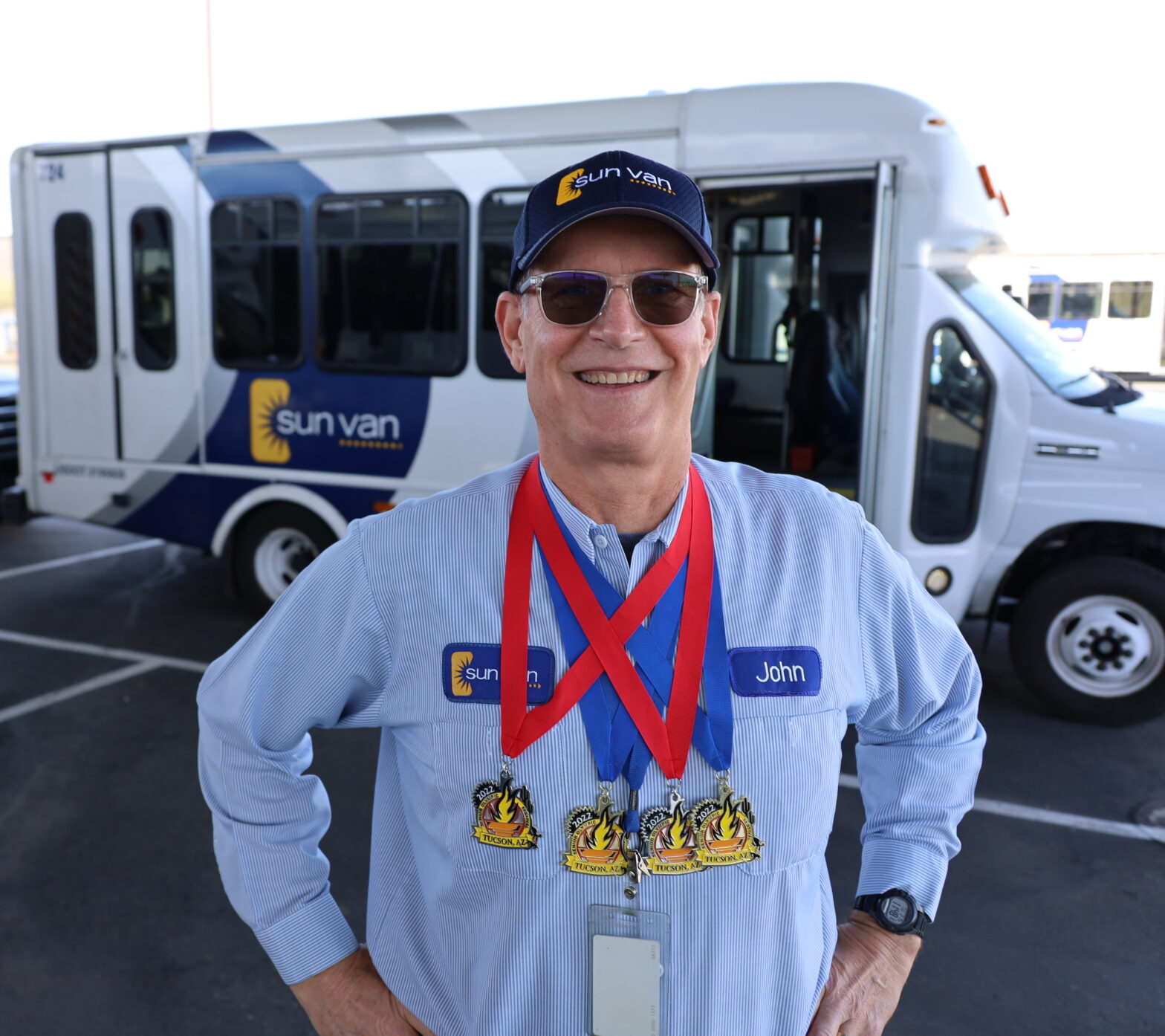
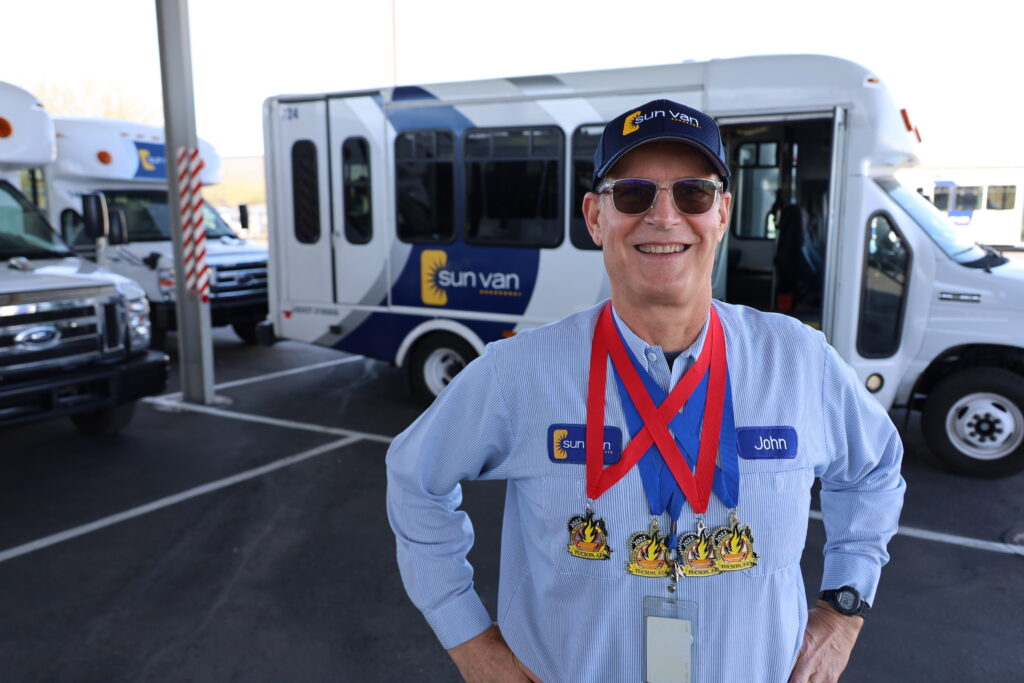
Sun Van driver John Spicker shows off his swimming medals.

Shiny silver and gold medallions hang from bright red and blue ribbons around John Spicker’s neck. His swimming medal collection is growing! The prizes are proof he has skill in the water. It is no wonder some coworkers fondly refer to him as Aquaman. 

His time in the water started when John was just 3-years-old. His whole family enjoyed swimming and would compete annually in a watermelon relay at their community pool. His family won the laughter-filled contest eight times. John seems to have taken that winning streak with him over his six decades on earth. This year John nabbed four medals at the Tucson Senior Olympic Festival.  

“I wish I knew about the competition sooner,” said John. “The events are good motivation to stay in shape and practice at the pool. One thing I know is if you don’t move it, you lose it. Swimming helps me stay active.” 

He has been competing since 2017, the same year he joined Sun Van. Born at St. Mary’s hospital here in Tucson, he often shares the personal story when driving Sun Van clients near the facility. He credits his family for getting him into swimming, along with creating a soft spot for our neighbors who need an extra hand. 

A close up of a gold medal.

John became the main caregiver to his parents in their late years. A former Meals on Wheels delivery driver, John was looking for a job with flexibility so he would have time to take care of his parents. A hiring banner on Ajo was his sign to try Sun Van. 

While his parents have now passed on, John says he is grateful for the time he had with them. He strives to show the same tenderness to his Sun Van clients now. 

“I’ve worn a lot of different hats in my life, but the one thing that I try to keep the same is helping people with what I do.” 

Clients have taken notice. John received this compliment in June: 

“He is always very polite and generous with assisting me. I feel privileged to use Sun Van and want to compliment John.” 

John says swimming helps him keep in shape and ready for his tasks at Sun Van. Driving for a paratransit company requires operators to maneuver vehicle lifts, assist with loading and unloading mobility devices, and using a strap system to secure them. Swimming helps John stay loose and strong for getting in and out of the vehicle, bending and reaching during his shift. 

“My inspiration is another swimmer who was 92-years-old and still going strong,” said John. “I hope I can keep swimming and making a difference with my work for years to come.” 

Along with swimming and driving for Sun Van, John enjoys spending time with his wife and 21-year-old son. He regularly swims at the Edith Ball Adaptive Recreation Center. The Tucson Senior Olympic Festival is a city-sponsored event and is typically held in January each year. 

Behind the Scenes: Sun Tran Parts Department

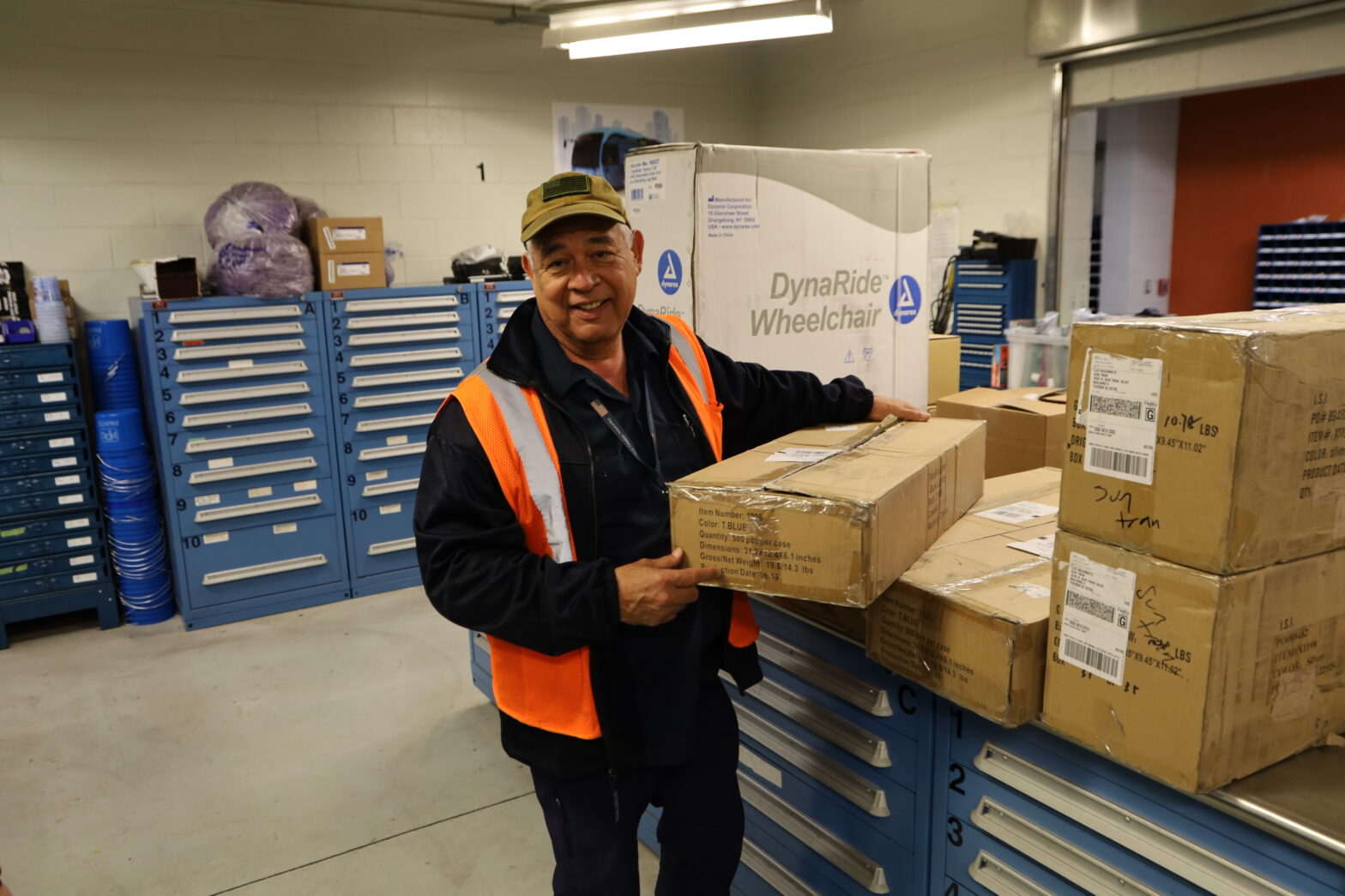
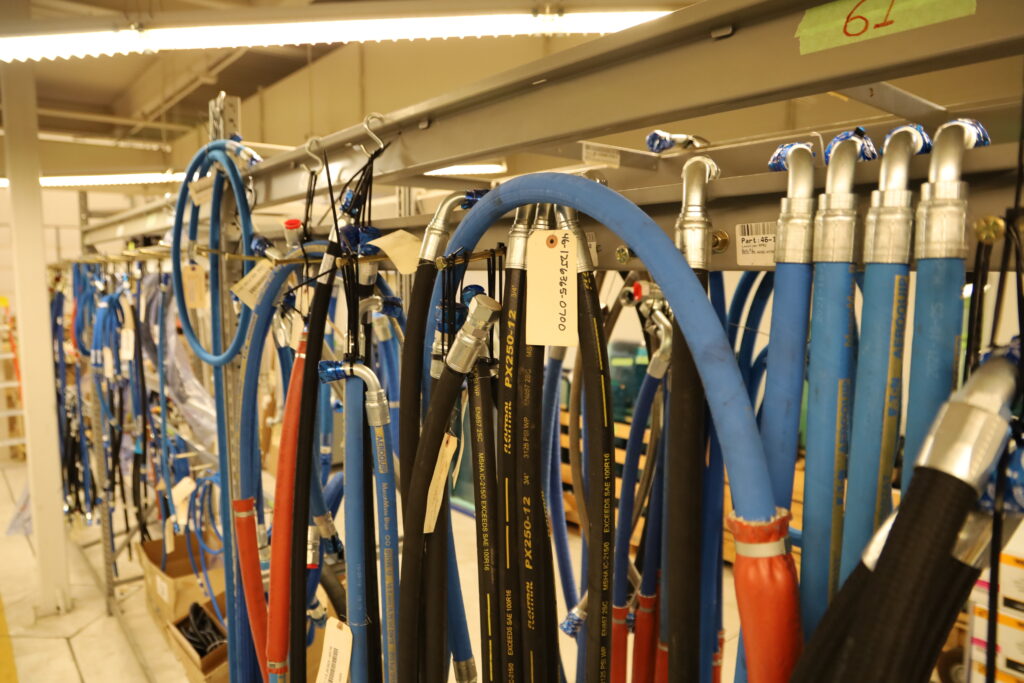
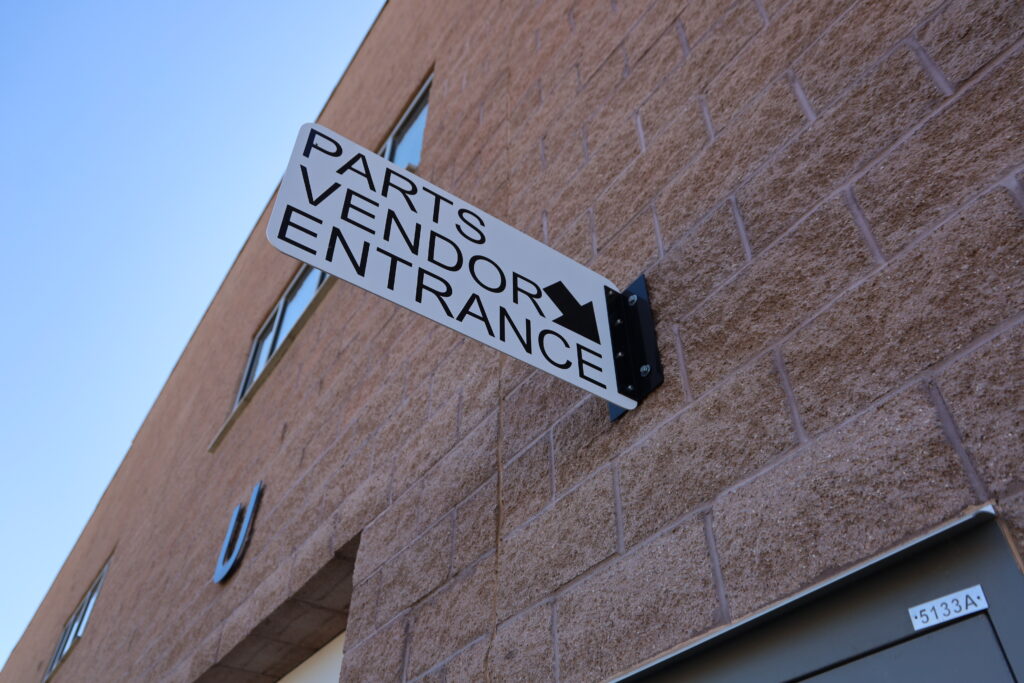
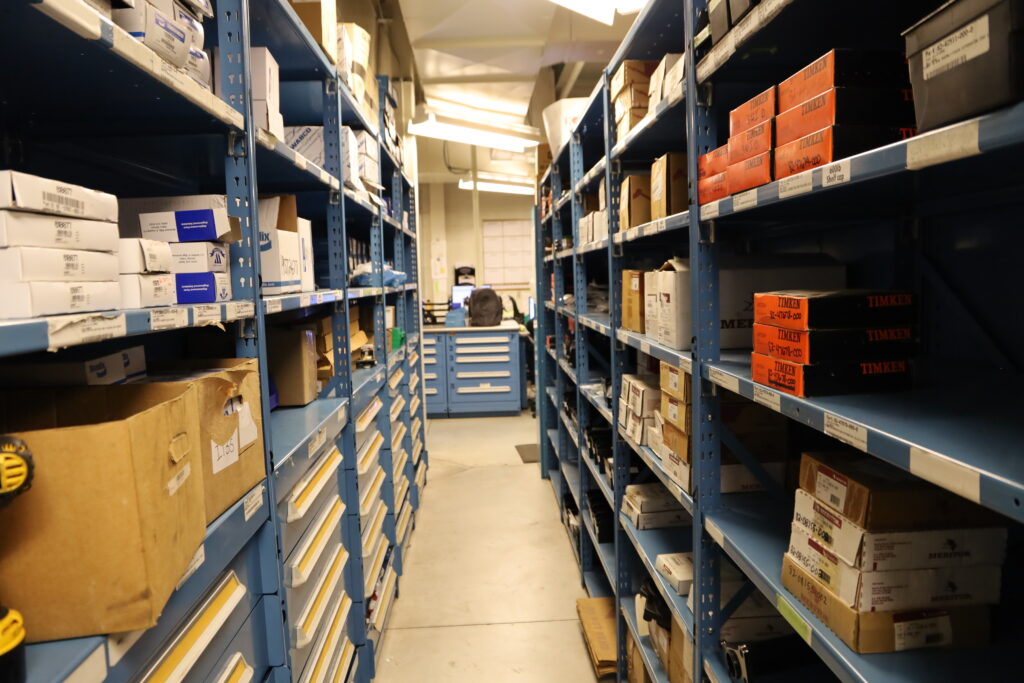
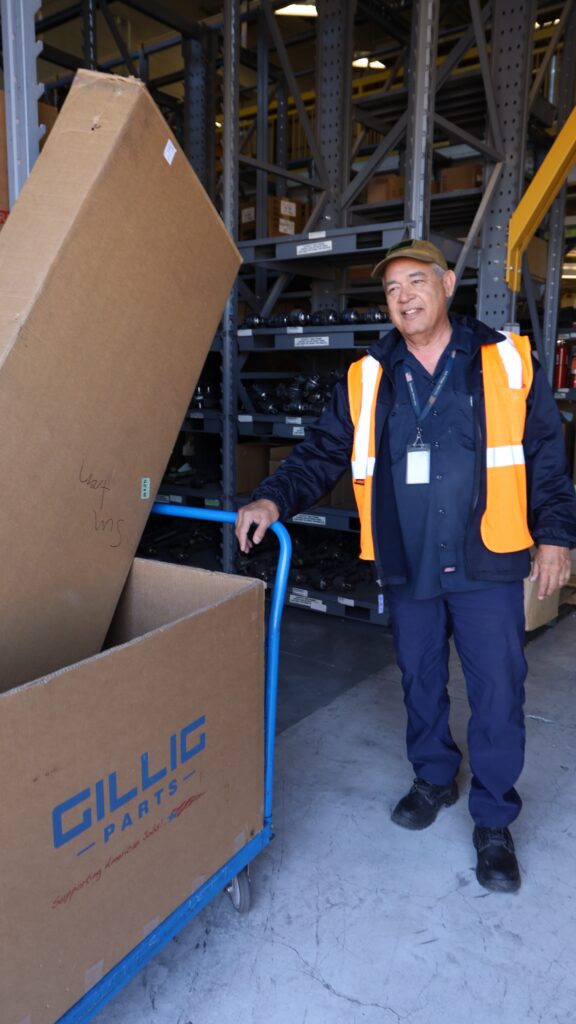
Visitors to building five at the north yard are greeted with the soft sound of mechanics’ voices bouncing off the expansive work bays. The hum of radios offer harmony while clinking tools serve as percussion. Breezing down the hallway, a parts clerk is at the service window turning over an order. From the window, you catch a glimpse of shelves with boxes and packages waiting to be claimed. What is visible at the window is just a taste of the hidden treasures in the storeroom. An adjoining room acts as a parts warehouse. Rows of organized drawers and shelves are meticulously marked. You will find everything from sheets of windshield glass to hoses and bindings. Kevin Motzkin points to the letters and numbers at the end of a row of drawers, explaining how to find a particular part. As the parts manager, Motzkin oversees six parts clerks.

Kevin Motzkin, Sun Tran Parts Manager sits at his desk.

“Our job is to receive things efficiently and correctly, to control the inventory and to make sure that when the mechanics need something, we have it available and it’s delivered to them immediately.”

A software program is one of the main tools the parts department uses. A mechanic working on a bus will put in a parts order on the computer. The parts clerk will receive a pending request and print a picklist. This sheet of paper includes part numbers and where each item is stored. The clerk will pull the parts, arrange them on a cart and have them ready for pickup.

“The program tells you how many of an item you have on hand, what they cost and if there are any outstanding orders,” said Motzkin. “If I didn’t have a part and really needed one, I could check to see if they have one over at Garage One (South Yard) and borrow from them if necessary.”

Parts clerks, along with shop supervisors and mechanics, can search bus numbers and review previous work history, engine type, warranties and other important information. This function is also useful for crosschecking items to ensure the right part is pulled, depending on bus model.

Jessica Lopez, Sun Tran Parts Clerk

Weekly, Motzkin submits a reorder for parts that must be kept in stock. Orders are also submitted for a variety of purchases for the shop, administrative employees and operations. Once orders arrive, parts clerks will receive the shipment and follow protocol for accepting the order.

“We take the packing slip, make sure everything that’s supposed to be in the box is in the box,” said Motzkin. “For bus parts, we make sure we get everything that was ordered and then we enter it into the computer so the inventory is updated.”

The parts department works closely with the procurement team, turning in receiving records, packing slips and any other paperwork. There is also a reporting process if they receive a damaged item and need a replacement.

John Baker, Sun Tran Parts Clerk

Motzkin’s role involves a lot of planning ahead and working to minimize wait times for essential items. He looks at needs, order patterns and previous wait times to anticipate which items could be in demand in the future.

“You have to make sure that what the mechanics need for the buses is provided to them,” said Motzkin. “That  is an important step in keeping buses out on the road and ready for the public.”

Being ahead of the curve improves efficiency for his department, along with maintenance staff. The benefits of this hard working team may go unnoticed by the public, but the parts department is an example of what it takes behind the scenes to keep Sun Tran moving forward.

Transit Fares Feedback

There is still time to speak up and share your thoughts on the future of transit fares in Tucson. Fill out the online survey by clicking the blue link button below. Feedback from both transit riders and non-riders is essential to help policymakers and city leadership make informed decisions about the future of fares. The public also has the option to leave a comment by calling Sun Tran Customer Service at (520) 792-9222 or by emailing suntraninfo@tucsonaz.gov.

Todavía hay tiempo para hablar y compartir sus pensamientos sobre el futuro de las tarifas de tránsito en Tucson. Complete la encuesta en línea haciendo clic en el botón de enlace azul a continuación. Los comentarios de los pasajeros y no pasajeros del transporte público son esenciales para ayudar a los legisladores y al liderazgo de la ciudad a tomar decisiones informadas sobre el futuro de las tarifas. El público también tiene la opción de dejar un comentario llamando al Servicio al Cliente de Sun Tran al (520) 792-9222 o enviando un correo electrónico a suntraninfo@tucsonaz.gov.


There is still time to speak up and share your thoughts on the future of transit fares in Tucson. Fill out the online survey by clicking the blue link button below. You can also provide feedback in person at a series of pop-up events scheduled at the Ronstadt and Laos transit centers throughout August. Sun Tran staff will be on site to hear from you!

Wednesday, August 3 • 4 p.m. – 6 p.m.
Laos Transit Center, 205 W Irvington Rd.
Take Route 11, 12, 18, 23, 24, 25, 26, 27, 29, 50, 421, 430, 440
Wednesday, August 17 • 4 p.m. – 6 p.m.
Laos Transit Center, 205 W Irvington Rd.
Take Route 11, 12, 18, 23, 24, 25, 26, 27, 29, 50, 421, 430, 440
Friday, August 5 • 10 a.m. – Noon
Ronstadt Transit Center, 215 E Congress St.
Take Route 1, 2, 4, 6, 7, 8, 12, 16, 19, 22, 23, 25, 421
Friday, August 19 • 10 a.m. – Noon
Ronstadt Transit Center, 215 E Congress St.
Take Route 1, 2, 4, 6, 7, 8, 12, 16, 19, 22, 23, 25, 421
Wednesday, August 10 • 4 p.m. – 6 p.m.
Ronstadt Transit Center, 215 E Congress St.
Take Route 1, 2, 4, 6, 7, 8, 12, 16, 19, 22, 23, 25, 421
Wednesday, August 24
*New Time: 5 p.m. – 6 p.m.
University of Arizona, Student Union: Santa Cruz Room
1303 E University Blvd.
Take Route 15 or the Sun Link streetcar
Friday, August 12 • 10 a.m. – Noon
Laos Transit Center, 205 W Irvington Rd.
Take Route 11, 12, 18, 23, 24, 25, 26, 27, 29, 50, 421, 430, 440
*This meeting was previously posted for Noon – 1 p.m. It will now be from 5 p.m. – 6 p.m.

Comentarios sobre tarifas de tránsito

Todavía hay tiempo para hablar y compartir sus pensamientos sobre el futuro de las tarifas de tránsito en Tucson. Complete la encuesta en línea haciendo clic en el botón de enlace azul a continuación. También puede proporcionar comentarios en persona en una serie de eventos en los centros de tránsito de Ronstadt y Laos a lo largo de agosto. ¡El personal de Sun Tran estará en el lugar para saber de usted!

Miércoles 3 de agosto • 4 p.m. – 6 p.m.
Centro de tránsito de Laos, 205 W Irvington Rd.
Tome las Rutas 11, 12, 18, 23, 24, 25, 26, 27, 29, 50, 421, 430, 440
Miércoles, 17 de agosto • 4 p.m. – 6 p.m.
Centro de tránsito de Laos, 205 W Irvington Rd.
Tome las Rutas 11, 12, 18, 23, 24, 25, 26, 27, 29, 50, 421, 430, 440
Viernes 5 de agosto • 10 a.m. – mediodía
Centro de tránsito de Ronstadt, 215 E Congress St.
Tome las Rutas 1, 2, 4, 6, 7, 8, 12, 16, 19, 22, 23, 25, 421
Viernes 19 de agosto • 10 a.m. – mediodía
Centro de tránsito de Ronstadt, 215 E Congress St.
Tome las Rutas 1, 2, 4, 6, 7, 8, 12, 16, 19, 22, 23, 25, 421
Miércoles, 10 de agosto • 4 p.m. – 6 p.m.
Centro de tránsito de Ronstadt, 215 E Congress St.
Tome las Rutas 1, 2, 4, 6, 7, 8, 12, 16, 19, 22, 23, 25, 421
Miércoles, 17 de agosto
*Nuevo Horario: 5 p.m. – 6 p.m.
Universidad de Arizona, Unión de Estudiantes: Salón Santa Cruz
1303 E University Blvd.
Tomar Ruta 15 o Sun Link
Viernes 12 de agosto • 10 a.m. – mediodía
Centro de tránsito de Laos, 205 W Irvington Rd.
Tome las Rutas 11, 12, 18, 23, 24, 25, 26, 27, 29, 50, 421, 430, 440
*Esta reunión se publicó anteriormente para el mediodía – 1 p.m. Ahora será a partir de las 5 p.m. – 6 p.m.

Transit Policy and Fares Feedback Open House Events

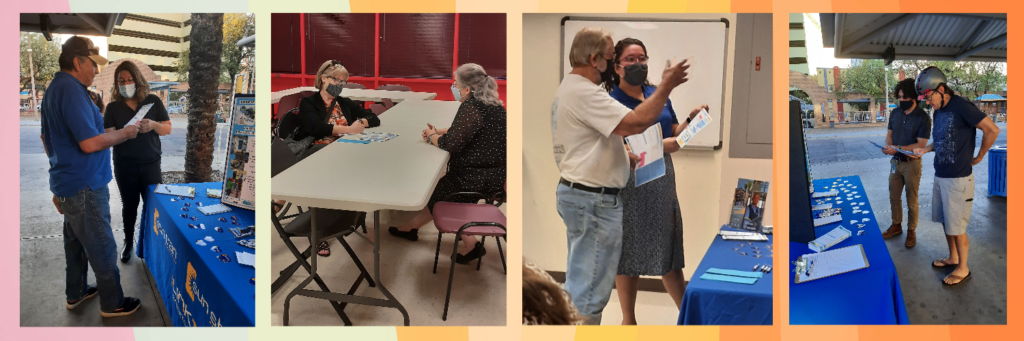
Sun Tran staff speaks with members of the public at transit input meetings.

The public is invited to join Sun Tran staff for a conversation about Title VI policies that affect major service changes, fare changes, disparate impact and disproportionate burden. Representatives from Sun Tran will be available at seven in-person and one virtual open house events. Spanish and English-speaking staff will provide information, answer questions and accept feedback on the Title VI policies and other transit-related topics. Attendees will also be invited to fill out a survey about transit fares.

Title VI Brochure

Sun Tran holds Title VI meetings every 3 years. Title VI refers to the Civil Rights Act of 1964, stating no person in the United States shall, on the grounds of race, color or national origin, be excluded from participation in, be denied the benefits of, or be subjected to discrimination under any program or activity receiving Federal financial assistance.

If members of the public cannot make a meeting and have a comment, they may call Sun Tran Customer Service at (520) 792-9222 or email: suntraninfo@tucsonaz.gov. Comments regarding transit policies will be accepted through July 29, 2022. Fares feedback is still being accepted.

The open house events will be held on the following dates:

Monday, July 11 • Noon – 1 p.m.
Flowing Wells Library, 1730 W Wetmore Rd.
Take Route 10 or 61
Monday, July 18 • 1 p.m. – 2 p.m.
Quincie Douglas Library, 1585 E 36th St.
Take Route 2, 15 or Sun On Demand
Tuesday, July 12 • Noon – 1 p.m.
Ward 2 Office, 7575 E Speedway Blvd.
Take Route 4
Tuesday, July 19 • Noon – 1 p.m.
Pascua Yaqui Health Center
7474 S Camino de Oeste
Take Route 29
Wednesday, July 13 • 5 p.m. – 6 p.m.
Miller Golf Links Library, 9640 E. Golf Links Rd.
Take Route 17
Wednesday, July 20 • 12:30 p.m. – 1:30 p.m.
Joel D. Valdez Main Library, 101 N Stone Ave.
Take Route 1, 2, 6, 7, 8, 12, 25 or Sun Link
Thursday, July 14 • 5:30 p.m. – 6:30 p.m.
Ward 1 Office, 940 W Alameda St.
Take Route 21 or Sun On Demand
Thursday, July 21 • 6 p.m. – 7 p.m.
Virtual Meeting
Click Here to Join the Meeting

Recepciónes Públicas sobre Políticas de Tránsito y Comentarios sobre Tarifas

Se invita al público a unirse al personal de Sun Tran para conversar sobre las políticas del Título VI que afectan los cambios importantes en el servicio, los cambios en las tarifas, el impacto desigual y la carga desproporcionada. Los representantes de habla hispana e ingles de Sun Tran estarán disponibles en siete eventos de recepciónes públicaen persona y uno virtual para brindar información, responder preguntas y aceptar comentarios sobre las políticas del Título VI y otros temas relacionados con el tránsito. También se invitará a los asistentes a completar una encuesta sobre las tarifas de tránsito.

Folleto de Titulo VI

Sun Tran realiza reuniones del Título VI cada 3 años. El Título VI se refiere a la Ley de Derechos Civiles de 1964, que establece que ninguna persona en los Estados Unidos, por motivos de raza, color u origen nacional, será excluida de la participación, se le negarán los beneficios o será objeto de discriminación bajo ningún concepto, programa o actividad que recibe asistencia financiera federal.

Si los miembros del público no pueden asistir a una reunión y hacer un comentario, pueden llamar al Servicio de atención al cliente de Sun Tran al (520) 792-9222 o enviar un correo electrónico a suntraninfo@tucsonaz.gov. Se aceptarán comentarios sobre las políticas de tránsito hasta el 29 de julio de 2022. Todavía se aceptan comentarios sobre tarifas.

Las Recepciónes Públicas se llevarán a cabo en las siguientes fechas:

Lunes, 11 de julio • 12 p.m. – 1 p.m.
Biblioteca Flowing Wells, 1730 W Wetmore Rd.
Tome la ruta 10 o 61
Lunes 18 de julio • 1 p.m. – 2 p.m.
Biblioteca Quincie Douglas, 1585 E 36th St.
Tome las Rutas 2, 15 o Sun On Demand
Martes 12 de julio • 12 p.m. – 1 p.m.
Oficina del distrito 2, 7575 E Speedway Blvd.
Toma la Ruta 4
Martes 19 de julio • 12 p.m. – 1 p.m.
Centro de Salud Pascua Yaqui, 7474 S Camino de Oeste
Tome la Ruta 29
Miércoles, 13 de julio • 5 p.m. – 6 p.m.
Biblioteca Miller Golf Links, 9640 E. Golf Links Rd.
Tomar Ruta 17
Miércoles 20 de julio • 12:30 p.m. – 1:30 p.m.
Biblioteca Principal Joel D. Valdez, 101 N Stone Ave.
Tome las Rutas 1, 2, 6, 7, 8, 12, 25 o Sun Link
Jueves 14 de julio • 5:30 p.m. – 6:30 p.m.
Oficina del distrito 1, 940 W Alameda St.
Tome la Ruta 21 o Sun On Demand
Jueves, 21 de julio • 6 p.m. – 7 p.m.
Reunión virtual
Unirse a la reunión

Tech Upgrades Boost Independence for Bus Riders Using a Mobility Device

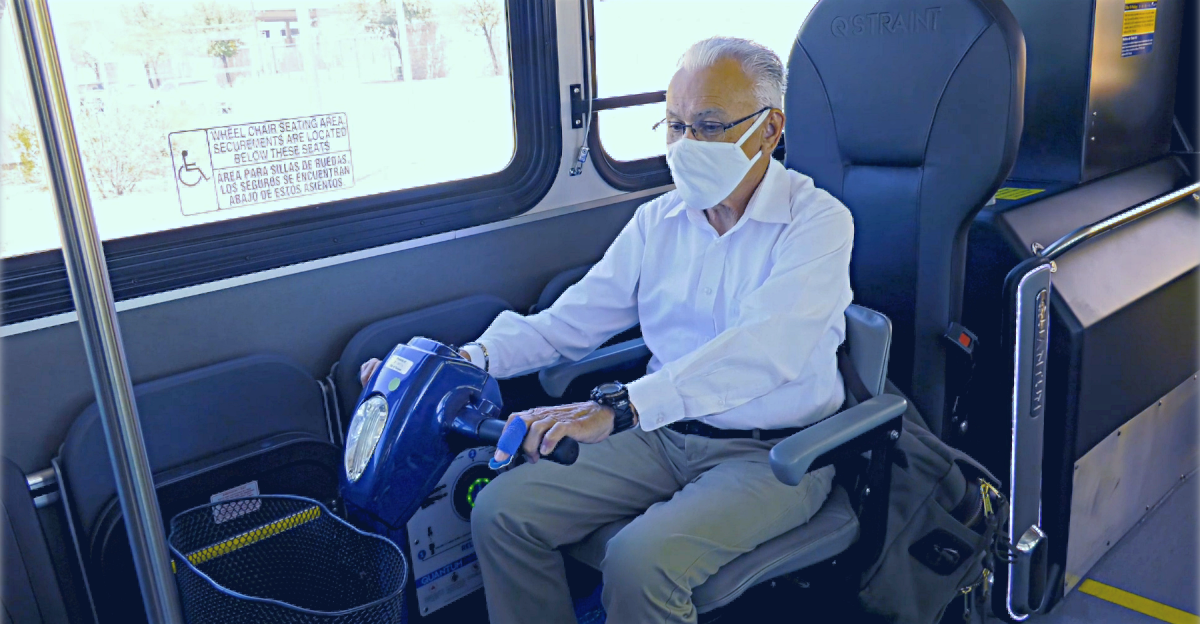
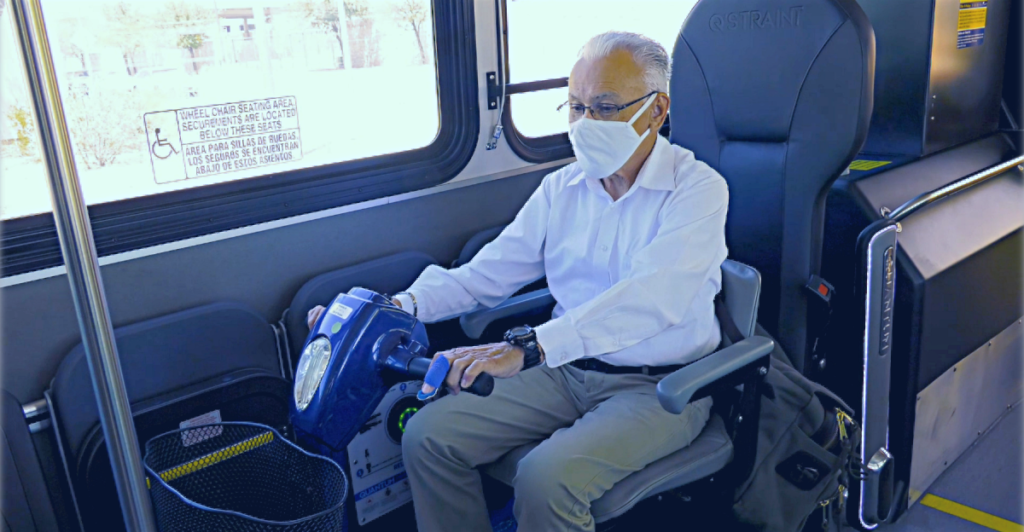
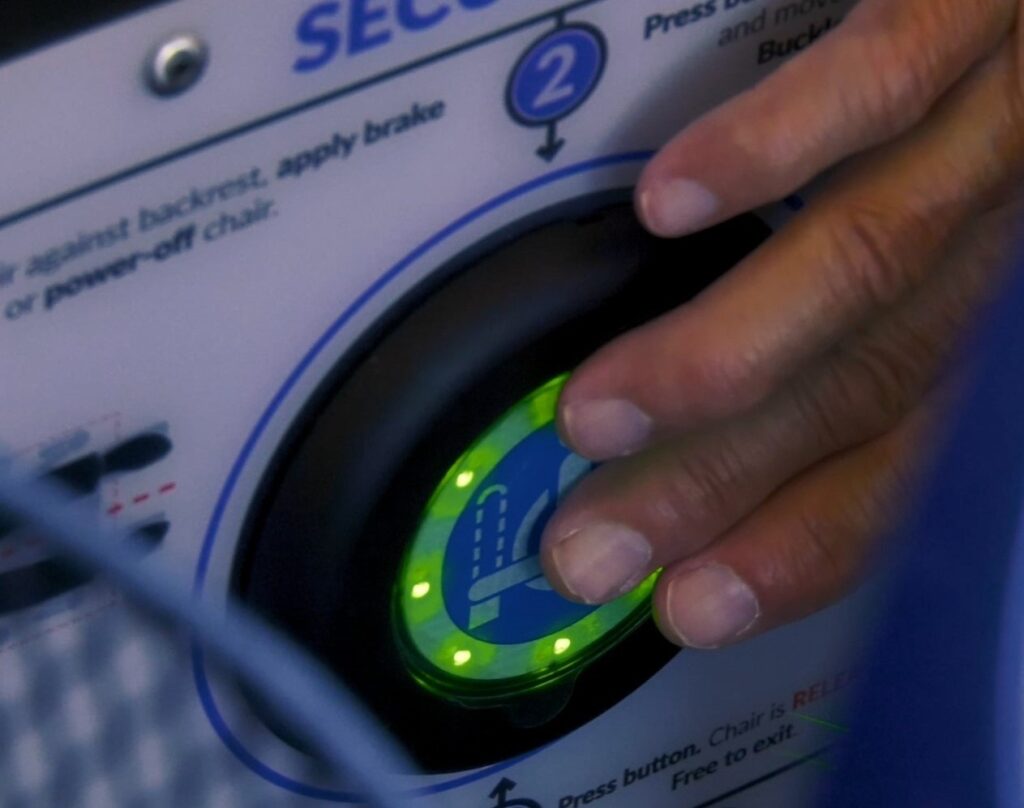
Riders using mobility devices can now enjoy an enhanced experience on Sun Tran buses. Quantum Automatic Securement Stations are currently available in 79 buses, or 40 percent of the active fleet. These new stations replace straps that were previously used to secure mobility devices. Now all it takes is the push of a button and a snap of the seat belt for riders to self-secure their wheelchair, scooter or other mobility device.

“This technology promotes independence among our riders with mobility devices who can now be in control of securing themselves,” said Jeff Rock, Sun Tran Assistant General Manager. “It also benefits other riders because it shortens the boarding times at bus stops, allowing all riders to get where they need to go quickly and efficiently.”

Riders using the technology are encouraged to provide feedback about their experience to help Sun Tran measure the impact of this upgrade. Researchers from the University of Arizona created a survey that riders can take online now through the end of September. The survey is offered in both English and Spanish and can be accessed at: SunTran.com/Quantum. A QR code with a direct link to the survey is available onboard buses.

The technology upgrade was set in motion by a grant from the Federal Transit Administration awarded in 2021. Along with a fare analysis study and the implementation of contactless solutions onboard buses, Sun Tran used part of the $600,000 grant to pay for 41 securement stations.

“Initially, we looked at the Quantum devices as a way to allow for social distancing at the height of the COVID-19 pandemic,” said Rock. “Now we are discovering bonus benefits and the survey could uncover even more ways this technology is making life easier for members of our community.”

The Quantum stations will come standard in all new buses Sun Tran acquires. Traditional strap securement areas remain available.

Las Actualizaciones Tecnológicas Aumentan la Independencia de los Pasajeros de Autobús que Usan un Dispositivo de Movilidad

Los pasajeros que usan dispositivos de movilidad ahora pueden disfrutar de una experiencia mejorada en los autobuses Sun Tran. Las estaciones de aseguramiento automático Quantum están actualmente disponibles en 79 autobuses, o el 40 por ciento de los autobuses activos. Estas nuevas estaciones reemplazan las correas que se usaban anteriormente para asegurar los dispositivos de movilidad. Ahora todo lo que se necesita es presionar un botón y asegurar el cinturón de seguridad para que los pasajeros aseguren su silla de ruedas, scooter u otro dispositivo de movilidad.

“Esta tecnología promueve la independencia entre nuestros pasajeros con dispositivos de movilidad que ahora pueden controlar su seguridad”, dijo Jeff Rock, subgerente general de Sun Tran. “También beneficia a otros pasajeros porque acorta los tiempos de abordaje en las paradas de autobús, lo que permite que todos los pasajeros lleguen a donde necesitan ir de manera rápida y eficiente”.

Se recomienda a los pasajeros que utilizan la tecnología a que brinden comentarios sobre su experiencia para ayudar a Sun Tran a medir el impacto de esta actualización. Investigadores de la Universidad de Arizona crearon una encuesta que los pasajeros pueden realizar en línea desde ahora hasta finales de septiembre. La encuesta se ofrece en inglés y español y se puede acceder a ella en: SunTran.com/Quantum. Un código QR con un enlace directo a la encuesta está disponible a bordo de los autobuses.

La actualización tecnológica se puso en marcha gracias a una subvención de la Administración Federal de Tránsito otorgada en 2021. Junto con un estudio de análisis de tarifas y la implementación de soluciones sin contacto a bordo de los autobuses, Sun Tran utilizó parte de la subvención de $600,000 para pagar 41 estaciones de seguridad.

“Inicialmente, consideramos los dispositivos Quantum como una forma de permitir el distanciamiento social en el punto álgido de la pandemia de COVID-19”, dijo Rock. “Ahora estamos descubriendo beneficios adicionales y la encuesta podría descubrir aún más formas en que esta tecnología facilita la vida de los miembros de nuestra comunidad”.

Las estaciones Quantum serán estándar en todos los nuevos autobuses que adquiera Sun Tran. Las áreas tradicionales de sujeción de la correa siguen estando disponibles.

We See You: Sun Tran Offers Safety to Tucsonans Experiencing Human Trafficking

Sun Tran is taking a stand against human trafficking with the implementation of the #WeSeeYou awareness campaign. This initiative offers help to potential victims and educates the public on ways to recognize and report human trafficking in Tucson.

“I think the way you stop human trafficking is to see it, recognize it, and have people aware of what is going on,” said Sun Tran General Manager Steve Spade. “Sometimes trafficking happens right under our noses. If we’re not trained to be observant, then we have no idea and we can’t help.”

The Federal Transit Administration (FTA) awarded Sun Tran $221,100 in grant funds in 2020 for public safety initiatives, including human trafficking awareness and training opportunities. Some of the funds were used to train bus drivers on how to identify human trafficking and the proper reporting protocols.

“Because of the grant there are 900 more people in Tucson who know the signs of human trafficking,” said Spade. “If our employees spot one of these signs, they now have a chance of reporting it before it becomes too late.”

All of Sun Tran’s buses feature a sticker notifying the public of the campaign and include the National Human Trafficking Hotline number. The decals mark the vehicles as a haven for anyone experiencing trafficking.

“At Sun Tran, we are doing our part to make sure human trafficking doesn’t happen in Tucson,” said Spade.

The public can join these efforts by learning how to recognize the signs of human trafficking and ways to report the crime. Sun Tran has developed educational videos, informational brochures and a resource web page at SunTran.com. The public can also notify bus drivers about suspicious behavior, who can discreetly call for help.

“If somebody in our community is experiencing a problem, whether it’s a threat or human trafficking, we want them to know that they can go to a bus for help,” said Spade. “Tell a driver or grab one of our supervisors and we’ll make sure that you get to safety.”

Human Trafficking Hotline: 888-3737-888

Text “HELP” or “INFO” to 233733

https://youtu.be/4MpzoBsAQ-s

Te vemos: Sun Tran ofrece seguridad a los tucsonenses que afrontan la trata de personas

Sun Tran se está pronunciando contra la trata de personas con la implementación de la campaña de concientización #WeSeeYou. Esta iniciativa ofrece ayuda a posibles víctimas y educa al público sobre formas de reconocer y denunciar la trata de personas en Tucson.

“Creo que la forma de detener el tráfico de personas es verlo, reconocerlo y hacer que la gente sepa lo que está pasando”, dijo el gerente general de Sun Tran, Steve Spade. “A veces, el tráfico ocurre justo delante de nuestras narices. Si no estamos entrenados para ser observadores, entonces no tenemos idea y no podemos ayudar”.

La Administración Federal de Tránsito (FTA, por sus siglas en inglés) otorgó a Sun Tran $221,100 en fondos de subvenciones en 2020 para iniciativas de seguridad pública, incluida la concientización sobre la trata de personas y oportunidades de capacitación. Algunos de los fondos se utilizaron para capacitar a los conductores de autobuses sobre cómo identificar la trata de personas y los protocolos de informes adecuados.

“Gracias a la subvención, hay 900 personas más en Tucson que conocen las señales de la trata de personas”, dijo Spade. “Si nuestros empleados detectan una de estas señales, ahora tienen la oportunidad de denunciarlo antes de que sea demasiado tarde”.

Todos los autobuses de Sun Tran cuentan con una calcomanía que notifica al público sobre la campaña e incluyen el número de la Línea directa nacional contra la trata de personas. Las calcomanías marcan los vehículos como un refugio para cualquier persona que experimente el tráfico.

“En Sun Tran, estamos haciendo nuestra parte para asegurarnos de que la trata de personas no ocurra en Tucson”, dijo Spade.

El público puede unirse a estos esfuerzos aprendiendo a reconocer los signos de la trata de personas y las formas de denunciar el delito. Sun Tran ha desarrollado videos educativos, folletos informativos y una página web de recursos en SunTran.com. El público también puede notificar a los conductores de autobuses sobre comportamientos sospechosos, quienes pueden pedir ayuda discretamente.

“Si alguien en nuestra comunidad está experimentando un problema, ya sea una amenaza o el tráfico de personas, queremos que sepa que puede acudir a un autobús en busca de ayuda”, dijo Spade. “Dígale a un conductor o llame a uno de nuestros supervisores y nos aseguraremos de que llegue a un lugar seguro”.

Línea directa de trata de personas: 888-3737-888

Text “HELP” or “INFO” to 233733